
Signs You Need Detox Treatment in Texas
Recognizing when detox treatment is needed can be an important first step toward recovery. For individuals struggling with substance use, withdrawal symptoms, increasing dependence, or difficulty stopping on their own, professional detox support can provide a safe and structured path forward. Understanding the warning signs can help individuals and families seek the right level of care at the right time.
Top Signs You Need Detox Treatment
- Unable to Stop Using on Your Own: If attempts to quit drugs or alcohol in Texas have been unsuccessful, medically supervised detox may provide the structure and support needed to begin recovery safely.
- Experiencing Withdrawal Symptoms: Symptoms such as shaking, sweating, anxiety, nausea, insomnia, irritability, or intense cravings after stopping substance use may indicate the need for professional detox care.
- Increasing Tolerance to Drugs or Alcohol: Needing larger amounts of a substance to feel the same effects can be a sign of physical dependence and may require supervised withdrawal support.
- Using Substances Every Day: When drug or alcohol use becomes a regular part of daily life, detox can help individuals safely transition away from substance dependence.
- Facing Strong Cravings or Loss of Control: Difficulty managing urges to use, even when there are negative consequences, may signal that professional treatment is needed.
- Previous Attempts to Quit Have Failed: Repeated relapses or returning to substance use after trying to stop may indicate that detox and a structured treatment program could be beneficial.
- Substance Use Is Affecting Health: Physical health issues, worsening mental health symptoms, or medical complications related to substance use can be signs that detox support is needed.
- Using Multiple Substances: Combining alcohol, prescription medications, or other drugs can increase withdrawal risks and may require medical monitoring during detox.
- Daily Responsibilities Are Being Impacted: Problems at work, school, home, or in relationships due to substance use may indicate the need for a higher level of care.
- Loved Ones Are Concerned: When family members or friends notice changes in behavior, appearance, or well-being, it may be time to consider professional addiction treatment.
- Concern About Withdrawal Safety: Some substances, including alcohol and certain medications, can cause serious withdrawal complications, making professional detox in Texas an important consideration.
- Ready to Begin Recovery: Recognizing the need for help is a major step, and detox can provide a safe starting point before continuing with addiction treatment.
Some signs that detox may be needed are not always obvious and can develop gradually over time. Many people associate detox with severe addiction, but early warning signs can appear before substance use reaches a crisis point. Needing a substance to feel normal, experiencing mood changes when unable to use, or planning daily activities around getting and using drugs or alcohol may indicate that the brain and body have started to rely on the substance.
Changes in everyday behavior can also signal the need for professional detox support. Individuals may begin isolating themselves, losing interest in activities they once enjoyed, neglecting responsibilities, or spending more time thinking about when they can use again. Increased tolerance, such as needing more of a substance to achieve the same effects, is another sign that the brain is adapting to continued substance exposure and may be developing dependence.
Physical and emotional symptoms are often overlooked because they can seem unrelated to substance use. Difficulty sleeping, increased anxiety, irritability, fatigue, unexplained health concerns, or feeling unable to manage stress without using a substance may indicate that the body is struggling to function without it. These signs can be especially important when they appear alongside cravings or unsuccessful attempts to cut back.
Another hidden sign is continuing to use despite negative consequences. A person may recognize that substance use is affecting relationships, work, finances, or health but still feel unable to stop. This loss of control can indicate changes in the brain’s reward and decision-making systems, making professional support more effective than trying to quit alone.
Common Substances That May Require Professional Detox Support
Not every substance requires medical detox, but certain drugs and alcohol can create significant physical dependence and dangerous withdrawal symptoms when use is stopped suddenly. The need for detox depends on factors such as the substance used, how long a person has been using it, the amount used, overall health, and whether other substances are involved. Professional detox provides monitoring, medical support, and a safer transition into ongoing addiction treatment.
- Alcohol: Alcohol is one of the substances most commonly associated with medically supervised detox because alcohol withdrawal can become severe or life-threatening for some individuals. Long-term alcohol use changes the brain’s balance of calming and stimulating chemicals, including GABA and glutamate. When alcohol is removed, the brain may become overstimulated, causing symptoms such as anxiety, tremors, seizures, confusion, and in severe cases, delirium tremens (DTs).
- Opioids (heroin and prescription pain medications): Opioids can create strong physical dependence because they affect the brain’s reward system and pain pathways. They increase dopamine activity and attach to opioid receptors, leading the brain to adapt to their presence. Opioid withdrawal is typically not life-threatening but can be extremely uncomfortable, causing muscle aches, nausea, sweating, insomnia, anxiety, and intense cravings. Medical detox can help manage symptoms and improve comfort while preparing individuals for continued treatment.
- Benzodiazepines (such as Xanax, Valium, and Ativan): Benzodiazepines can be especially challenging to stop because the brain adapts to their calming effects over time. Suddenly stopping these medications after prolonged use can cause severe withdrawal symptoms, including seizures, extreme anxiety, and dangerous changes in brain activity. A medically supervised taper is often recommended to reduce risks.
- Stimulants (cocaine and methamphetamine): Stimulants increase levels of dopamine and other neurotransmitters associated with energy, motivation, and pleasure. Over time, the brain may reduce its natural production of these chemicals, making it difficult to feel normal without the substance. Withdrawal is usually not medically dangerous but can involve intense depression, fatigue, mood changes, sleep problems, and powerful cravings that may increase relapse risk.
- Cannabis: Cannabis withdrawal is generally not considered medically dangerous and often does not require a medical detox program. However, frequent or heavy use can lead to dependence and withdrawal symptoms such as irritability, sleep problems, anxiety, and appetite changes. Supportive treatment may still be helpful for individuals struggling to stop or experiencing negative impacts from use.
- Nicotine: Nicotine withdrawal is typically not medically dangerous but can be highly addictive because nicotine strongly affects the brain’s reward pathways. It increases dopamine release, creating feelings of pleasure and reinforcement. When nicotine use stops, individuals may experience cravings, irritability, difficulty concentrating, and mood changes. Many people benefit from structured support and cessation resources.
The substances most likely to require professional detox support include alcohol, benzodiazepines, and opioids, especially when there is long-term or heavy use, because withdrawal can be severe, medically complicated, or difficult to manage alone. Other substances may not require medical detox but can still create powerful psychological dependence and benefit from professional addiction treatment.
The Risks of Attempting Detox Alone or at Home
Attempting to detox from drugs or alcohol without professional support can be dangerous, especially for individuals who have developed a physical dependence. While the decision to stop using substances is an important step toward recovery, quitting suddenly without medical guidance can lead to serious withdrawal symptoms that may be difficult or unsafe to manage alone. The risks depend on the substance used, the length and severity of use, overall health, and whether multiple substances are involved.
Alcohol and certain medications, such as benzodiazepines, can cause some of the most serious withdrawal complications. When these substances are stopped abruptly, changes in brain chemistry can trigger symptoms such as seizures, confusion, dangerously high levels of anxiety, rapid heart rate, or severe agitation. Opioid withdrawal is typically not life-threatening, but intense symptoms such as vomiting, dehydration, severe discomfort, and powerful cravings can increase the risk of relapse or returning to unsafe substance use.
Detoxing at home also removes access to important medical support and monitoring. Withdrawal symptoms can change quickly, and individuals may not recognize when a situation has become serious. Without trained professionals available to provide medications, manage complications, or offer emotional support, people may face unnecessary risks during the early stages of recovery. The discomfort of withdrawal can also make it harder to continue without returning to substance use.
Professional detox programs provide a structured and safer environment where individuals can receive appropriate medical care, symptom management, and support throughout the withdrawal process.
What to Expect During a Texas Detox Program
A detox program in Texas provides a structured and supportive environment where individuals can safely begin the recovery process. The goal of detox is to help the body clear substances while managing withdrawal symptoms, reducing health risks, and preparing individuals for the next phase of treatment. While every detox experience is different, most programs follow a structured routine that combines medical care, support services, and recovery-focused activities.
A typical day in a Texas detox program may include:
- Morning Check-In and Health Assessment: Staff monitor vital signs, evaluate withdrawal symptoms, and assess each person’s physical and emotional needs.
- Medication Management (When Needed): Medical professionals may provide medications to help manage withdrawal symptoms, reduce discomfort, and support safety during detox.
- Nutritious Meals and Hydration Support: Balanced meals and proper hydration help restore the body after the effects of substance use.
- Individual Medical or Clinical Sessions: Patients may meet with healthcare providers, counselors, or addiction specialists to discuss progress and treatment goals.
- Therapy and Recovery Education: Structured sessions may include addiction education, coping strategies, relapse prevention skills, and discussions about the recovery process.
- Group Support Sessions: Group meetings allow individuals to connect with others experiencing similar challenges and build a sense of community.
- Rest and Personal Time: Scheduled downtime allows the body and mind to recover while individuals adjust to life without substances.
- Evening Reflection and Support: Programs may include evening groups, wellness activities, or check-ins to help individuals process their experiences and prepare for the next day.
Throughout detox, the focus remains on safety, comfort, and stabilization. Professional detox programs provide continuous monitoring and support while helping individuals transition into ongoing treatment, such as residential care, outpatient treatment, or other recovery services. Completing detox is an important first step, but continued treatment is often recommended to address the underlying causes of addiction and support long-term recovery.
Benefits of Choosing a Medically Supervised Detox Center
A medically supervised detox center provides a safer and more structured environment for individuals beginning recovery from substance use. With professional monitoring, personalized support, and access to medical care, detox programs help reduce the risks associated with withdrawal while preparing individuals for continued addiction treatment.
- 24/7 Medical Monitoring: Trained healthcare professionals monitor withdrawal symptoms and respond quickly to any complications that may arise.
- Safer Withdrawal Process: Medical supervision helps reduce the risks associated with severe withdrawal from substances such as alcohol, benzodiazepines, and opioids.
- Medication Support When Appropriate: Approved medications may be used to ease withdrawal symptoms, improve comfort, and support stabilization.
- Personalized Detox Plans: Treatment teams create care plans based on each person’s substance use history, health needs, and recovery goals.
- Professional Symptom Management: Medical staff help manage physical and emotional withdrawal symptoms that can make detox difficult to complete alone.
- Reduced Risk of Relapse During Withdrawal: A structured setting provides support and removes many triggers that can lead to returning to substance use.
- Mental Health Support: Detox programs can identify and address co-occurring mental health concerns that may impact recovery.
- Access to Experienced Clinicians: Addiction specialists and healthcare providers guide individuals through the early stages of recovery.
- Smooth Transition to Ongoing Treatment: A quality detox program helps connect individuals with residential treatment, outpatient care, therapy, and aftercare services.
- Safe and Supportive Environment: A professional setting allows individuals to focus on healing without the distractions and risks of managing withdrawal alone.
How Detox Fits Into the Full Addiction Treatment Process
Detox is often the first step in the addiction treatment process, but it is not the same as complete addiction treatment. The purpose of detox is to help individuals safely remove substances from their bodies while managing withdrawal symptoms and stabilizing their physical and emotional health. Once detox is complete, many individuals continue with additional treatment services that address the underlying causes of addiction, develop healthy coping skills, and support long-term recovery.
While a full continuum of care can provide valuable support, not everyone requires the same level or length of treatment. Addiction affects each person differently based on factors such as the substance used, severity of dependence, medical history, mental health needs, support system, and personal recovery goals. Some individuals may benefit from residential treatment after detox, while others may transition into outpatient care, therapy, medication-assisted treatment, or ongoing recovery support.
A comprehensive addiction treatment program evaluates each person’s needs and recommends the appropriate level of care rather than applying a one-size-fits-all approach. Detox, residential treatment, outpatient services, and aftercare can work together as part of a recovery plan, but the right path depends on the individual’s circumstances. The goal is to provide the right support at the right time while helping individuals build the skills and stability needed for long-term recovery.
Factors to Consider When Choosing a Detox Program in Texas
Choosing the right detox program in Texas is an important decision that can affect the safety, comfort, and overall recovery experience. Since detox centers vary in the level of care they provide, individuals and families should look for programs that match their specific needs. Important factors to consider include medical supervision, licensing, accreditation, staff qualifications, treatment approach, and the ability to provide support throughout the recovery process. A quality detox program should have trained medical professionals available to monitor withdrawal symptoms, provide appropriate care when needed, and help reduce the risks associated with stopping substance use.
It is also important to consider whether the detox program offers personalized care rather than a standard approach for every person. The right level of support depends on factors such as the substance involved, length of use, physical health, mental health needs, and personal recovery goals. A reputable Texas detox center should complete a thorough assessment before treatment begins and create a plan designed around the individual’s circumstances. Individuals should also look for programs that maintain proper licensing, recognized accreditation, experienced clinical staff, and a safe environment that supports healing.
Because detox is often only the beginning of recovery, individuals should consider what happens after the detox process is complete. A strong program will help create a transition plan that may include residential treatment, outpatient care, therapy, medication-assisted treatment, or ongoing recovery support based on the person’s needs. Cost and insurance transparency are also important considerations, as a trustworthy detox provider should clearly explain available services, expenses, and payment options. Taking the time to research detox programs in Texas can help individuals choose a facility that provides safe, compassionate, and effective support during the first steps toward recovery.
Use our free insurance verification form below to find out if insurance may be able to cover the cost of a detox in Texas.
At Discovery Point Retreat, we believe cost should never stand in the way of reclaiming control over your life and future. That’s why we partner with many health insurance companies that cover rehab to increase your access to affordable, quality care.
We’re in-network with Aetna, Ambetter, ACS, Blue Cross Blue Shield, Cigna, ComPsych, Evry Health, Humana, Healthsmart, Magellan, Molina, United Healthcare, Scott & White, and Superior HealthPlan, plus we accept many more. That means insurance may cover the full cost of addiction treatment!
Not sure whether your insurance covers rehab? We can help. Call us at 855-245-7133 to quickly and confidentially verify your benefits. Be sure to have your insurance card handy when you call.


What Is 7-OH (7-Hydroxymitragynine)? Risks, Withdrawal, and Help
7-OH is a concentrated, semi-synthetic kratom compound that acts like a strong opioid. Learn how it differs from leaf kratom, its risks, its legal status, and how to get help.
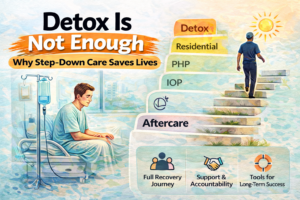
Detox Is Not Enough: Why Step-Down Care Saves Lives
Quick Summary Detox is designed to manage withdrawal with monitoring and medical support, but it does not treat addiction on its own. NIDA calls it
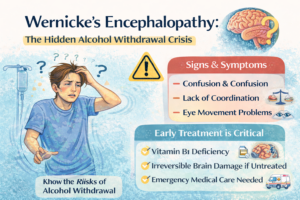
Wernicke’s Encephalopathy: The Hidden Alcohol Withdrawal Crisis
Quick Summary Wernicke’s encephalopathy is a serious neurologic condition caused by severe thiamine deficiency, most often related to chronic alcohol use. It is a medical
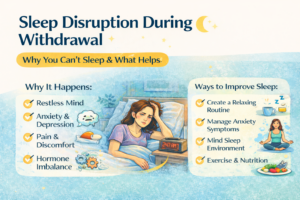
Sleep Disruption During Withdrawal: Why You Can’t Sleep and What Helps
Quick Summary Bad sleep is one of the most common and stubborn parts of withdrawal. Alcohol, opioids, stimulants, cannabis and sedatives each disrupt sleep in

Protracted Withdrawal: When Symptoms Last Months After Detox
Quick Summary Acute withdrawal is the short, intense phase right after someone stops using alcohol or drugs. For some people, a slower and quieter set

Delirium Tremens: The Life-Threatening Side of Alcohol Withdrawal
Quick Summary Delirium tremens (DTs) is the most severe form of alcohol withdrawal. It usually shows up 48 to 96 hours after the last drink,