
Xanax Drug Detox Centers in Texas
Xanax addiction can take a serious toll on your physical health, emotional well-being, and daily life, but professional treatment can help you regain control. Our Xanax drug detox centers in Texas provide safe, medically supervised detox programs designed to help individuals manage withdrawal symptoms comfortably and begin the recovery process with confidence. With compassionate care, personalized treatment plans, and 24/7 clinical support, our Texas detox facilities offer a secure environment where healing and long-term recovery can begin.
What is Xanax Detox?
Xanax detox is the process of safely clearing the drug from the body while managing withdrawal symptoms that may occur after reducing or stopping use. Detox is often the first and most important step in recovery for individuals struggling with Xanax dependence or addiction. Since the body can become reliant on the drug over time, suddenly quitting Xanax without medical supervision can be dangerous and may lead to severe complications. Professional detox programs provide medical monitoring, emotional support, and individualized treatment plans to help patients withdraw safely and more comfortably while preparing for ongoing addiction treatment and long-term recovery.
Xanax, the brand name for alprazolam, is a prescription benzodiazepine medication commonly used to treat anxiety disorders, panic disorders, and anxiety related to depression. It works by slowing activity in the brain and central nervous system, producing a calming effect that can help reduce feelings of stress and panic. Because Xanax acts quickly and can create feelings of relaxation or sedation, it also carries a high risk for misuse, dependence, and addiction. In the United States, Xanax is classified as a Schedule IV controlled substance under the Controlled Substances Act, meaning it has recognized medical uses but also the potential for abuse and physical dependence.
Withdrawal symptoms from Xanax can vary based on factors such as the dosage taken, frequency of use, length of addiction, and overall health of the individual. Common Xanax withdrawal symptoms include anxiety, panic attacks, insomnia, irritability, mood swings, sweating, nausea, headaches, tremors, rapid heart rate, and difficulty concentrating. In more severe cases, withdrawal can lead to hallucinations, severe depression, or seizures, which is why medically supervised detox is strongly recommended. Receiving professional care during Xanax detox can significantly reduce health risks and improve the chances of successful, lasting recovery.
Who Needs Xanax Detox?
- Individuals who have been taking Xanax regularly for an extended period of time
- People who experience withdrawal symptoms when attempting to stop or reduce Xanax use
- Anyone taking higher doses of Xanax than prescribed by a doctor
- Individuals misusing Xanax recreationally or combining it with other substances
- People who have developed a physical or psychological dependence on Xanax
- Those experiencing cravings or feeling unable to function without the drug
- Individuals mixing Xanax with alcohol or opioids, increasing overdose risks
- People whose Xanax use is negatively affecting relationships, work, school, or daily life
- Anyone who has attempted to quit Xanax on their own but relapsed due to withdrawal symptoms
- Individuals experiencing severe anxiety, panic, or health complications related to Xanax misuse
- People at risk for dangerous withdrawal effects such as seizures or severe panic attacks
- Anyone seeking a safe, medically supervised environment to begin addiction recovery
What Happens During Xanax Detox?
During Xanax detox, individuals receive medical supervision and supportive care while the drug is gradually cleared from the body. Because abruptly stopping Xanax can cause dangerous withdrawal symptoms, most detox programs use a carefully monitored tapering process that slowly reduces the dosage over time to help minimize discomfort and health risks. The detox process typically begins with a full medical and psychological evaluation so treatment providers can understand the individual’s history of Xanax use, overall health, and any co-occurring mental health or substance use disorders.
Throughout detox, patients are monitored by medical professionals who track vital signs, withdrawal symptoms, and emotional well-being. Depending on the severity of the addiction, medications may be used to help manage anxiety, insomnia, nausea, muscle tension, or seizure risk during withdrawal. Individuals may also receive hydration support, nutritional care, and therapeutic support to help stabilize both the body and mind during the early stages of recovery.
As withdrawal symptoms begin to improve, many detox centers help patients prepare for the next phase of treatment through counseling, relapse prevention planning, and referrals to inpatient or outpatient rehab programs. Since detox alone does not treat the underlying causes of addiction, continuing care and therapy are often recommended to support long-term sobriety and recovery success.
The following is an example of a daily schedule for Xanax detox:
- Morning: Vital sign check, medication administration if prescribed, light breakfast, and brief check in with clinical staff
- Midday: Medical monitoring as needed, hydration and nutrition support, rest periods, and possible individual counseling or support session
- Afternoon: Symptom management, recreational or light therapeutic activities, and continued rest and observation
- Evening: Final medication doses if prescribed, dinner, group or peer support sessions in some settings, and relaxation time
- Overnight: Staff monitoring, symptom checks as needed, and support for sleep difficulties
Xanax Detox at Discovery Point Retreat in Texas
Xanax detox at Discovery Point Retreat in Texas offers a safe, medically supervised environment designed to help individuals move through withdrawal with comfort and dignity. We offer the full continuum of care from detox to inpatient and outpatient programs near Dallas, Texas. With 24/7 clinical support, evidence-based care, and personalized treatment planning, clients receive the structure they need to stabilize physically while preparing for the next step in recovery. If you or a loved one is struggling with Xanax dependence, compassionate help is available. Reach out today to learn more about detox options and take the first step toward lasting recovery.
Effects on the Brain & Body During Withdrawal & Detox
During Xanax withdrawal and detox, the brain and body go through a period of adjustment as they learn to function without the drug. Xanax is a benzodiazepine that increases the effects of gamma-aminobutyric acid (GABA), a neurotransmitter responsible for calming brain activity and reducing feelings of anxiety or stress. Over time, the brain becomes dependent on Xanax to maintain this calming effect and may reduce its natural production and regulation of GABA. When Xanax use is suddenly reduced or stopped, the central nervous system can become overstimulated because the brain is struggling to regain chemical balance without the drug.
This disruption in brain activity is what causes many common withdrawal symptoms. Individuals may experience heightened anxiety, panic attacks, irritability, insomnia, mood swings, and difficulty concentrating as the brain attempts to stabilize neurotransmitter function. In severe cases, the sudden increase in nervous system activity can trigger dangerous complications such as hallucinations, rapid heart rate, high blood pressure, or seizures. These risks are one of the main reasons medical supervision during Xanax detox is strongly recommended.
The body is also affected during withdrawal as it responds to the absence of the drug. Many people experience physical symptoms such as sweating, nausea, muscle pain, tremors, headaches, fatigue, and gastrointestinal discomfort. Sleep disturbances are especially common because the body’s natural sleep-wake cycle may have been altered by prolonged Xanax use. During detox, medical professionals monitor these symptoms closely while helping the body gradually adjust through tapering schedules, supportive medications, hydration, nutrition, and therapeutic care.
Although withdrawal can be physically and emotionally challenging, detox allows the brain and body to begin healing from the effects of long-term Xanax use. As the nervous system stabilizes over time, many individuals begin to regain mental clarity, emotional balance, improved sleep, and overall physical well-being, creating a stronger foundation for long-term addiction recovery.
How Long Does Xanax Detox Take?
Xanax detox timelines vary depending on factors such as dosage, how long the medication was used, frequency of use, and a person’s overall physical and mental health. Xanax is a short-acting benzodiazepine, which means it leaves the body relatively quickly compared to longer-acting drugs in the same class. In most cases, Xanax is out of the body within about 1 to 4 days after the last dose. This timeframe can vary based on metabolism, age, liver function, and whether the person was using high doses or extended-release forms.
Even though Xanax may clear the body within a few days, withdrawal symptoms often last much longer. Symptoms can begin within 6 to 12 hours after the last dose, usually peak within 2 to 4 days, and then gradually improve over the following 1 to 2 weeks. Some individuals may also experience longer lasting effects such as anxiety, insomnia, mood changes, and cravings for several weeks or more after stopping use. This is sometimes referred to as post acute withdrawal and is related to the brain adjusting after dependence on the drug.
The reason detox takes longer than the time it takes for the drug to leave the body is because the brain and nervous system need time to restore balance. Xanax increases the effects of GABA, a chemical that helps calm brain activity. When the drug is removed, the brain may temporarily struggle to regulate anxiety and stress on its own, which leads to withdrawal symptoms even after the medication is no longer detectable in the system.
Cost & Insurance Coverage for Xanax Detox in Texas
The cost of Xanax detox in Texas can vary widely depending on the level of care, length of treatment, and whether medical supervision or inpatient services are required. On average, medically supervised detox programs in Texas typically range from about $1,000 to $5,000 for a short inpatient stay of 3 to 7 days. More intensive or specialized benzodiazepine detox programs, especially those that include extended monitoring or hospital-based care, can range from $2,000 to $6,000 or more. In cases involving rapid detox or high-acuity medical needs, costs can exceed $7,000 to $10,000+. Outpatient detox options are generally less expensive, often ranging from about $500 to $2,000 depending on the frequency of visits and medical support provided. These estimates are consistent with typical Texas detox pricing patterns, where costs vary based on program type and clinical complexity.
In Texas most insurance plans cover Xanax detox at least partially, including major providers like Blue Cross Blue Shield of Texas, UnitedHealthcare, Cigna, Aetna, and Humana. Coverage is required under federal and state mental health parity laws, meaning substance use treatment such as medical detox is generally covered the same as other medical care when it is medically necessary. Insurance can significantly reduce the cost of Xanax detox in certain cases.
Use our free insurance verification form below to find out if insurance may be able to cover the cost of a opioid detox in Texas.
At Discovery Point Retreat, we believe cost should never stand in the way of reclaiming control over your life and future. That’s why we partner with many health insurance companies that cover rehab to increase your access to affordable, quality care.
We’re in-network with Aetna, Ambetter, ACS, Blue Cross Blue Shield, Cigna, ComPsych, Evry Health, Humana, Healthsmart, Magellan, Molina, United Healthcare, Scott & White, and Superior HealthPlan, plus we accept many more. That means insurance may cover the full cost of addiction treatment!
Not sure whether your insurance covers rehab? We can help. Call us at 855-245-7133 to quickly and confidentially verify your benefits. Be sure to have your insurance card handy when you call.









Medications Used in Xanax Detox
- Tapering benzodiazepines (diazepam or clonazepam): Used to slowly replace Xanax and gradually reduce dependence, lowering withdrawal severity and seizure risk
- Anticonvulsants (gabapentin, carbamazepine): Help reduce seizure risk and may ease anxiety, agitation, and nerve-related symptoms
- Beta-blockers (propranolol): Help manage physical symptoms like rapid heart rate, tremors, and physical anxiety
- Sleep support medications (short-term use): May be used to address insomnia and restore sleep patterns during withdrawal
- Non-addictive symptom relief medications: Can include options for nausea, headaches, muscle pain, and general discomfort
- Supportive medications as needed: May be prescribed based on individual symptoms and overall health status
How Does Tapering Work?
Tapering is a gradual reduction process used in Xanax detox where the dosage is slowly lowered over time instead of stopping the medication all at once. Because Xanax affects brain chemistry and can cause physical dependence, tapering gives the brain and nervous system time to adjust as the drug level decreases. In many medical detox settings, clinicians may switch a patient from Xanax to a longer-acting benzodiazepine such as diazepam or clonazepam, then reduce the dose in small, controlled steps until the medication is fully discontinued.
This method is considered much safer than stopping “cold turkey,” which means quitting suddenly. Cold turkey withdrawal can cause the brain to become severely overactive because it is abruptly cut off from the calming effects of Xanax. This can lead to intense rebound anxiety, panic attacks, insomnia, severe agitation, and in some cases dangerous complications like seizures. These risks are especially high for people who have used Xanax for a long time or at higher doses.
Tapering is preferred because it reduces the shock to the nervous system and helps minimize withdrawal symptoms. It also allows medical professionals to adjust the pace based on how the individual is responding, making the process more controlled and tolerable. Overall, tapering improves safety, lowers the risk of severe withdrawal reactions, and increases the chances of successfully completing detox without medical emergencies.
What Happens After Xanax Detox?
After Xanax detox, the drug is no longer physically active in the body, but recovery is not finished. Detox only addresses physical dependence, while the brain and body are still adjusting to functioning without the medication. During this stage, many people continue to experience lingering symptoms such as anxiety, insomnia, mood swings, irritability, and cravings. These effects can gradually improve over time as the nervous system stabilizes.
Once detox is complete, the next step is typically ongoing treatment to address the psychological and behavioral aspects of addiction. This may include inpatient or outpatient rehab programs, individual therapy, group counseling, and behavioral therapies such as cognitive behavioral therapy. These approaches help individuals understand the root causes of Xanax use, develop healthier coping strategies, and reduce the risk of relapse.
Aftercare planning is also an important part of the post-detox process. This can include support groups, continued therapy, medication management if needed, and relapse prevention planning. Many people benefit from structured routines and ongoing support systems as they transition back into daily life.
How to Choose the Best Xanax Detox Center in Texas
Choosing the best Xanax detox center in Texas comes down to safety, medical quality, and how well the program supports both withdrawal and long-term recovery. Because Xanax withdrawal can be serious, the most important factor is medical supervision with 24/7 monitoring, especially for seizure risk and severe anxiety symptoms. Look for centers that offer a licensed detox program with physicians and nurses on-site, not just basic residential care. Facilities like this often use medication-assisted tapering and closely track vital signs throughout detox to keep patients stable and safe.
It is also important to choose a center that provides a clear transition into ongoing treatment, since detox alone is not enough for long-term recovery. The best programs connect patients directly into inpatient rehab, outpatient therapy, or dual-diagnosis treatment for anxiety or depression that may be tied to Xanax use. Ask whether they offer individualized treatment plans, therapy options, and relapse prevention support after detox is complete.
When evaluating a facility, ask key questions such as: whether a doctor supervises detox daily, how they manage benzodiazepine tapering, what medications they use for withdrawal symptoms, what happens if symptoms become severe, and how they handle emergencies like seizures or panic episodes. You should also ask about average length of stay, insurance verification, and what aftercare planning looks like.
Reviews and alumni feedback are also helpful, but they should be read alongside clinical credentials. Look for consistent mentions of safety, staff responsiveness, and whether patients felt supported during withdrawal. You can also ask if the center offers alumni programs or peer support groups after treatment, which can be a strong indicator of long-term recovery support.
The best Xanax detox centers in Texas combine medical safety, individualized tapering, strong mental health support, and structured aftercare, rather than just short-term stabilization.
What Is 7-OH (7-Hydroxymitragynine)? Risks, Withdrawal, and Help
7-OH is a concentrated, semi-synthetic kratom compound that acts like a strong opioid. Learn how it differs from leaf kratom, its risks, its legal status, and how to get help.
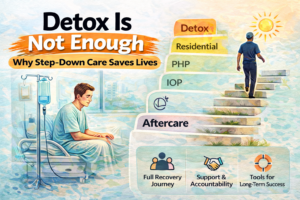

Detox Is Not Enough: Why Step-Down Care Saves Lives
Quick Summary Detox is the first step in addiction treatment, not the whole journey. Without continued care, the relapse rate after detox alone is very
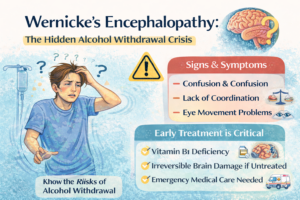
Wernicke’s Encephalopathy: The Hidden Alcohol Withdrawal Crisis
Quick Summary Wernicke’s encephalopathy is a serious neurologic condition caused by severe thiamine deficiency, most often related to chronic alcohol use. It is a medical
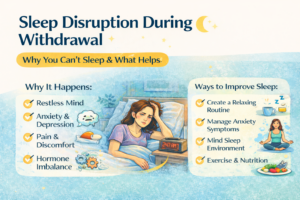
Sleep Disruption During Withdrawal: Why You Can’t Sleep and What Helps
Quick Summary Sleep disruption is one of the most consistent and most difficult symptoms among the substance withdrawal challenges. Most substances disrupt sleep architecture in

Protracted Withdrawal: When Symptoms Last Months After Detox
Quick Summary Acute withdrawal usually resolves within a week or two, but for many people in recovery a longer phase of subtler symptoms follows. Sleep
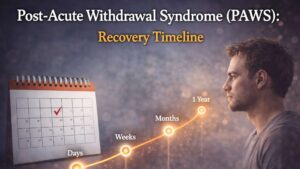
Post-Acute Withdrawal Syndrome (PAWS): Recovery Timeline
Quick Summary Post-Acute Withdrawal Syndrome (PAWS) is the longer phase of symptoms that follow acute detox. Most people experience some form of PAWS during the