Inpatient Drug & Alcohol Rehab in Texas
Inpatient drug and alcohol rehab in Texas provides structured, live-in treatment for individuals who need intensive support to overcome substance use disorders. These programs offer 24-hour care in a controlled environment where clients receive medical supervision, therapy, and recovery-focused support away from everyday triggers and stressors. Inpatient rehab is often recommended after detox or for individuals with severe addiction, repeated relapse, or co-occurring mental health conditions. The goal is to build stability, develop coping skills, and create a foundation for long-term recovery through individualized treatment plans and continuous clinical care.
Our Inpatient Rehab Centers in Dallas, Texas
We believe that everyone deserves a chance to reclaim their life from addiction. Discovery Point Retreat’s comprehensive inpatient rehab creates a strong foundation for long-term addiction recovery. Elements include:
- Variety of proven addiction treatment therapies
- Dedicated, experienced staff
- Dual diagnosis treatment of co-occurring mental health conditions that can be the root cause of addiction
- Exercise and nutrition
- First-class amenities including onsite gym, pool, and chef
- Comfortable, home like environment
- Proven success and treatment guarantee
If you believe that inpatient rehab may be the right choice for you or a loved one, the first step is to reach out for help. Call 888-547-3077 to learn more.
We can help you quickly and confidentially verify your benefits, since insurance may cover the cost of residential treatment. Seeking help for addiction can be difficult, but our compassionate staff is here to guide you through the process.

What is Inpatient Rehab?
Inpatient rehab, also known as residential rehab, allows you to focus on recovery without the distractions and temptations you might encounter in the outside world. During inpatient addiction treatment, clients receive round the clock medical and therapeutic support while staying on-premises at our serene, ranch-like Texas rehab facility. It’s an opportunity to recover with the daily structure needed to shift the focus from alcohol and drug use to rebuilding a healthy and fulfilling life.
Inpatient and residential rehab are often used interchangeably, but they can have slightly different meanings depending on the treatment setting.
Inpatient rehab usually refers to a more medically focused level of care, often in a hospital or clinical facility where individuals receive 24-hour supervision from medical staff. It is commonly used for people who need intensive monitoring, such as those with severe withdrawal risks, medical complications, or co-occurring mental health conditions that require psychiatric oversight.
Residential rehab typically refers to a structured live-in treatment program in a non-hospital setting, such as a recovery center or therapeutic facility. It still provides 24-hour support, therapy, and structured routines, but with a stronger focus on counseling, behavioral therapy, and long-term recovery skills rather than acute medical care.
Both involve staying on-site full time, but inpatient care is generally more medical and stabilization-focused, while residential care is more therapy and recovery-focused after the immediate medical risks have been managed.
How Long Does Inpatient Rehab Last?
Inpatient rehab in Texas typically lasts 30 to 90 days, but the exact length depends on the severity of the addiction, the substances used, co-occurring mental health conditions, and the individual’s progress in treatment. Some programs offer shorter stays for people with milder substance use or strong support systems at home, while more intensive programs may extend beyond 90 days for individuals with complex needs.
What Happens During Inpatient Treatment in Texas?
Inpatient treatment in Texas provides 24-hour structured care in a live-in facility where individuals receive medical supervision, therapy, and support in a controlled environment. The process usually begins with an intake assessment that reviews substance use history, mental health conditions, physical health, and treatment needs to create a personalized care plan.
Daily treatment typically includes individual therapy, group counseling, and educational sessions focused on addiction, coping skills, and relapse prevention. Many programs also include family therapy, trauma-informed care, and treatment for co-occurring mental health conditions such as anxiety, depression, or PTSD. Medication management may be provided when needed, especially for withdrawal symptoms or psychiatric conditions.
The environment is highly structured, with scheduled activities, meals, and recovery-focused routines designed to reduce triggers and build stability. Staff such as licensed therapists, counselors, nurses, and sometimes physicians monitor progress and adjust treatment plans as needed. Most inpatient programs last from 30 to 90 days depending on severity and progress.
Before discharge, individuals typically work on aftercare planning, which may include outpatient therapy, intensive outpatient programs, sober living arrangements, and relapse prevention strategies to support long-term recovery.
Inpatient Rehab Goals & Progression
The main goal of inpatient rehab is to provide a safe, structured environment where a person can stop substance use, stabilize physically and mentally, and begin building the skills needed for long-term recovery.
It focuses on breaking the cycle of addiction by removing access to substances, addressing withdrawal and cravings, treating any co-occurring mental health conditions, and helping the individual develop healthier coping strategies. Inpatient care also aims to reduce relapse risk by creating consistency, accountability, and a clear transition plan into ongoing treatment after discharge.
Inpatient rehab in Texas follows a structured progression designed to move individuals from stabilization to long-term recovery readiness. During the first week, the focus is on medical stabilization, adjusting to the treatment environment, and completing assessments that evaluate substance use history, physical health, and any co-occurring mental health conditions. Early care also introduces basic coping skills and helps establish a stable daily routine.
In the second week, individuals begin more active participation in individual and group therapy, focusing on identifying triggers, understanding patterns of use, and building awareness of underlying emotional or mental health challenges. By weeks three and four, treatment shifts toward deeper behavioral change, with a strong emphasis on relapse prevention skills, emotional regulation, communication, and addressing trauma or co-occurring disorders when present. If a stay is extended beyond four weeks, care focuses on reinforcing coping strategies, increasing independence within a structured setting, and strengthening long-term recovery planning. Before discharge, a detailed aftercare plan is created, which may include outpatient therapy, intensive outpatient programs, support groups, or sober living arrangements to support continued recovery after leaving inpatient care.
An Example of a Daily Inpatient Rehab Schedule
- 7:00 AM : Wake up, morning hygiene, light movement or stretching
- 8:00 AM : Breakfast
- 9:00 AM : Morning check-in or group therapy focused on goal setting and accountability
- 10:30 AM : Individual therapy session or clinical counseling
- 12:00 PM : Lunch
- 1:00 PM : Educational workshop on addiction, coping skills, or relapse prevention
- 2:30 PM : Group therapy focused on emotional processing, trauma, or communication skills
- 4:00 PM : Recreational activity such as exercise, yoga, or mindfulness practice
- 5:30 PM : Dinner
- 6:30 PM : Evening group session such as 12-step support, reflection, or peer discussion
- 8:00 PM : Free time, journaling, reading, or supervised social time
- 10:00 PM : Lights out and scheduled sleep routine
What Are the Benefits of an Inpatient Rehab Program?
There are many advantages to inpatient rehab. Research has shown that a change of environment can be helpful in breaking harmful habits associated with substance abuse. Free of outside distractions, clients can focus on healing while surrounded by a supportive community of counselors and recovery coaches as well as peers struggling with the same challenges. Clients in our Texas inpatient facility benefit from a wide range of residential addiction treatment services (group sessions, education, individual sessions) in a shorter period of time than possible with outpatient programs. In all of our inpatient drug and alcohol rehab programs, there is a strong focus on wellness and making meaningful changes. Additional benefits of inpatient rehab include:
- Stability and safety in a sober environment
- 24/7 support and care
- Supervision to prevent relapse
- Focus on therapy and holistic treatment services
- Peer practice for building strong relationships
- Daily structure, training and education
- Practice in living a healthy, sober lifestyle
- Low client-to-clinician treatment ratio
- Compassionate, experienced staff — many who have recovered from addiction themselves
Who Is a Good Candidate for Inpatient Rehab in Dallas?
While everyone’s situation is different, certain individuals may benefit more from inpatient rehab than outpatient rehab. Those who have severe addiction, co-occurring mental health disorders, or a history of relapse may benefit from the structure and intensity of inpatient rehab. Additionally, those who do not have a supportive home environment or have experienced trauma may benefit from the safe and supportive environment that inpatient rehab provides.
Inpatient rehab can provide a level of support and structure that is difficult to achieve in an outpatient setting, such as access to medical and mental health services 24/7, which can be crucial for those with complex medical needs or mental health issues.
Signs someone may need inpatient rehab is someone who:
- Experiences severe withdrawal symptoms that require medical supervision, such as shaking, seizures, or hallucinations
- Is unable to stop using despite repeated attempts and continued negative consequences
- Has a history of relapse shortly after detox or outpatient treatment
- Uses large amounts of drugs or alcohol daily or in dangerous combinations of substances
- Has co-occurring mental health conditions such as depression, anxiety, PTSD, or bipolar disorder that worsen substance use
- Is at risk of harming self or others due to substance use or withdrawal symptoms
- Lacks a stable or safe home environment to support recovery
- Requires medical detox followed by continued 24-hour monitoring and structure
- Experiences blackouts, loss of control, or significant impairment in daily functioning
- Has previously needed emergency medical care related to substance use
- Cannot maintain work, school, or basic responsibilities due to substance use
Starting Inpatient Rehab with Detox
In many cases, the first step of inpatient treatment begins with detoxification to facilitate the transition from active substance abuse to early recovery. At Discovery Point Retreat, our medical detox gives you the support, comfort, and care needed to overcome drug dependence and advance into the next stage of treatment. Conducted by a licensed specialist, the detox program helps to alleviate withdrawal symptoms and reduce cravings, and eases stress and anxiety. Once the body is rid of harmful substances, inpatient rehab can begin.
Our Texas Inpatient Rehab Facilities
Discovery Point Retreat has inpatient rehab centers at our Waxahachie and Ennis locations near Dallas, Texas. Our picturesque homes in a ranchlike environment offer the ideal setting for you to reflect and focus on your journey to sobriety.
Being in a residential addiction treatment program ensures your greatest focus and discipline toward achieving a strong recovery. Without outside distractions, you can apply your time and energy toward achieving sobriety. That’s why we offer evidence-based and holistic addiction treatment therapies like:
- Cognitive Behavioral Therapy (CBT)
- Dialectical Behavior Therapy (DBT)
- Rational Emotive Behavioral Therapy (REBT)
- Recreational Therapy
Our comfortable environments offer a safe place for recovery, with registered nurses onsite 24/7. Our low client-to-staff ratio ensures that each client receives dedicated medical attention and therapeutic support.
You’ll also meet new people in residential rehab; these new relationships provide mutual support throughout the recovery experience, and offer the chance to participate in recreational and therapeutic activities together. Many of our clients form powerful bonds during recovery and remain friends for life.
What Comes After Inpatient Rehab?
In addition to our residential program, Discovery Point Retreat also offers outpatient programs as part of our full continuum of care. After you complete residential treatment, you may transition to our partial hospitalization program (PHP) or intensive outpatient program (IOP). This continuity of care ensures you receive the ongoing treatment and support you need to navigate life beyond inpatient care, and further strengthen your recovery.
If you’re considering inpatient rehab, you might feel overwhelmed by many options available to you. And you might be worried about leaving your friends or family behind for a period of time. However, a complete continuum of care that enables you to step down from inpatient treatment to outpatient programs and aftercare will give you the best possible chance for lasting recovery. Rather than worry and wonder, get in touch with us! We’ll tell you what you can expect at Discovery Point Retreat, and how you can find balance at our tranquil ranch-like rehab near Dallas.

Is Inpatient Rehab Covered by Insurance?
Yes, typically insurance may be able to cover the cost of inpatient or residential rehab. The cost of inpatient rehab varies depending on the individual, their history of drug use, and the recommended length of stay to have the best chance of achieving sobriety. Many health insurance providers will cover all or a portion of inpatient treatment. Contact us to quickly and confidentially verify your benefits and see if you’ll be responsible for any costs. Discovery Point Retreat is in-network with many top insurance providers and offers additional financing options to make your recovery as affordable as possible.
How to Choose the Best Inpatient Rehab in Texas
Choosing the best inpatient rehab in Texas starts with evaluating the level of care, medical oversight, and treatment approach that matches a person’s needs. A high-quality program should provide 24-hour medical supervision, licensed staff, and access to both therapy and medication-assisted treatment when needed. The program should also have experience treating co-occurring mental health conditions, since many people in rehab struggle with anxiety, depression, or trauma alongside addiction.
It is important to read reviews from former patients and families to get an honest sense of the program’s effectiveness, staff quality, and overall environment. Questions to ask when researching a facility include: what types of therapy and medications are offered, the staff-to-patient ratio, how emergencies are handled, what aftercare planning looks like, and whether insurance is accepted or financing options are available. Red flags include promises of a “quick fix” or painless recovery, lack of individualized care plans, minimal medical oversight, or limited follow-up support after discharge. The best inpatient rehabs offer structured daily schedules, a combination of individual and group therapy, family involvement, and a clear path to ongoing recovery. Licensing, accreditation, and positive patient outcomes are also key indicators of a trustworthy program.
How Much Does Inpatient Rehab Cost in Texas?
In Texas, inpatient rehab generally costs between $15,000 and $30,000 for a 30-day program, with longer stays of 60 to 90 days ranging from $25,000 to $60,000 or more. Luxury or highly specialized facilities may exceed $80,000 per month, while programs covered by insurance can reduce out-of-pocket expenses significantly.
The cost typically covers room and board, 24/7 medical supervision, individual and group therapy, educational and relapse-prevention programs, medication-assisted treatment if needed, and access to medical and mental health staff. Additional services such as specialized therapy for trauma, family counseling, recreational therapy, and psychiatric care for co-occurring disorders can also be included, depending on the facility. Factors that influence cost include the length of stay, level of medical and clinical care, amenities offered, and whether insurance is used or prior authorization is required.
Get Started on Your Journey to Recovery Today
No matter what kind of addiction you’re facing, we’re here to help. At Discovery Point Retreat, we have the resources and expertise to guide you through every step of the recovery process. Don’t wait any longer to take the first step towards a better life – call us today at 888-547-3077 to learn more about our inpatient rehab in Dallas.
Take the first step to change your life for the better. Call us today at 888-547-3077!








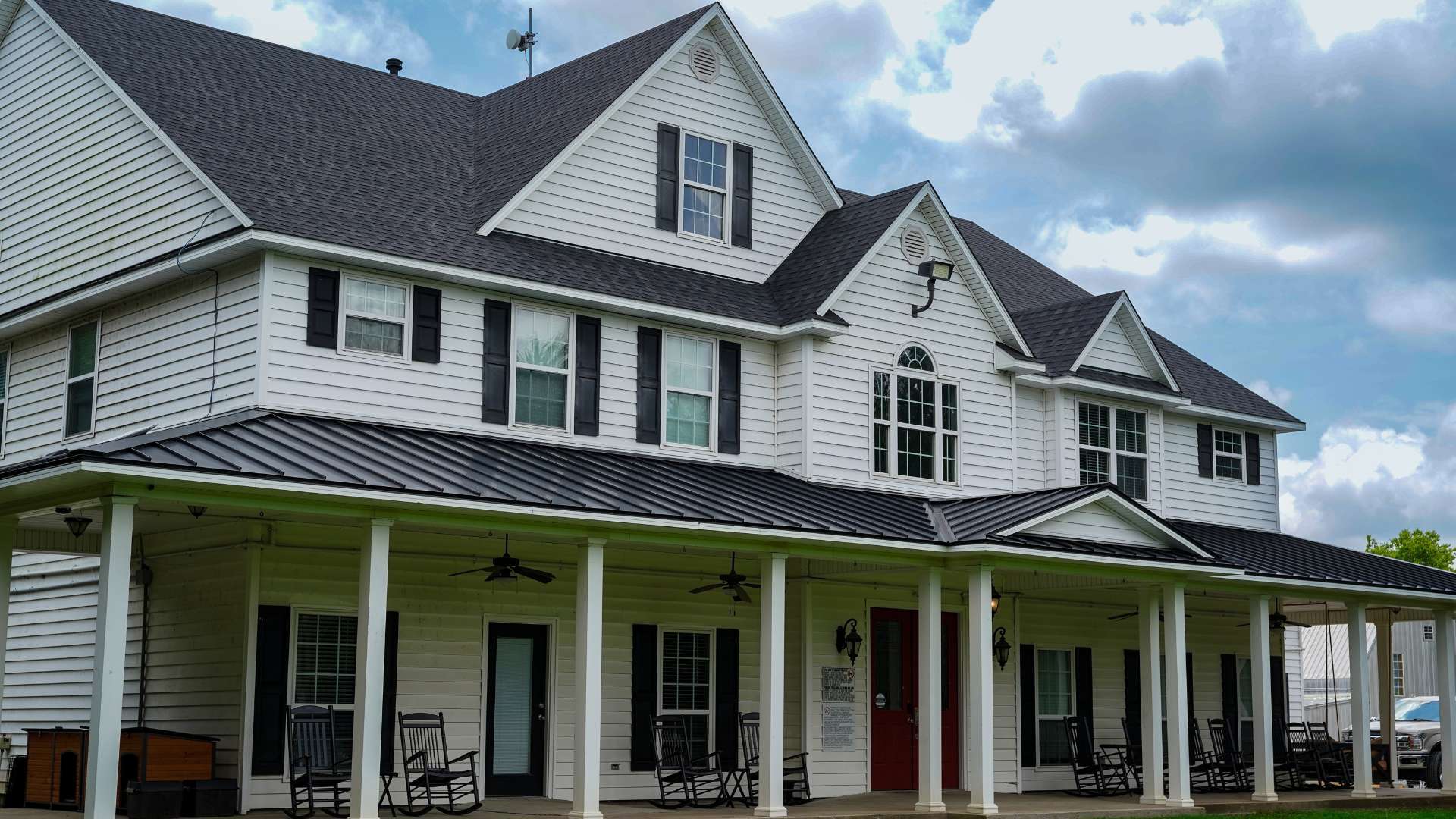
Waxahachie, Texas
Our Waxahachie campus offers luxury detox and residential addiction treatment in a private, comfortable setting designed for focused healing. Clients receive personalized care, evidence-based therapy, and medical support in a smaller, more exclusive environment that emphasizes privacy, comfort, and individualized attention throughout the recovery process.
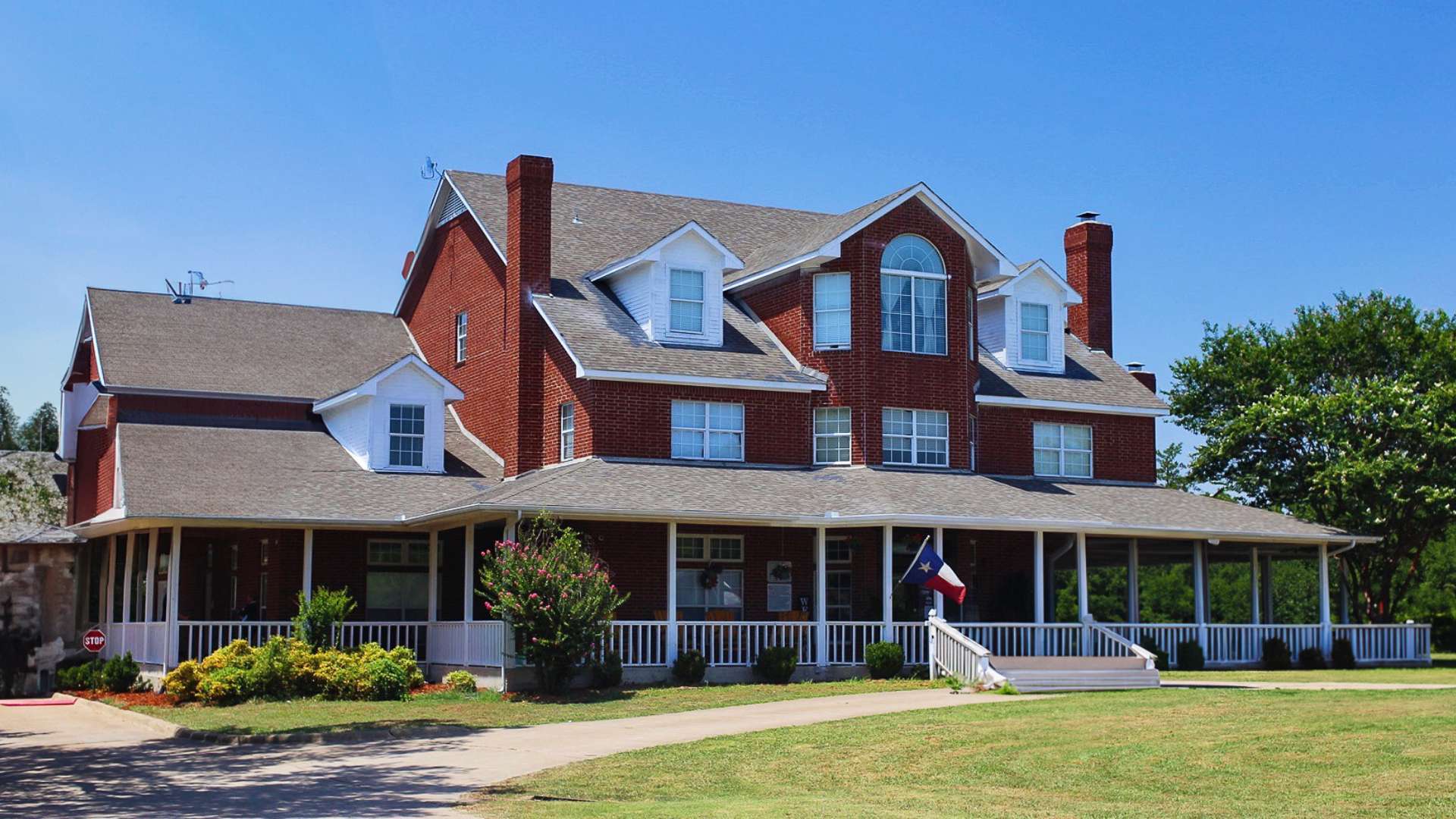
Ennis, Texas
Our Ennis facility provides medical detox and residential treatment with broad insurance coverage, making high-quality addiction care accessible for more individuals and families. With 24/7 nursing care, daily medical oversight, and structured therapy programming, clients can safely detox and transition directly into residential treatment for continued recovery support.