Transcranial magnetic stimulation is a non-invasive brain stimulation approach that uses magnetic pulses to stimulate mood-regulating nerve cells in the brain. At Discovery Point Retreat in Dallas, Texas, our tms therapy is FDA-approved for major depressive disorder and offers a treatment option when antidepressant medications or talk therapy have not fully relieved symptoms of depression. Clients can undergo TMS without anesthesia or downtime.
What is TMS Therapy?
TMS therapy is an outpatient treatment for depression that employs a magnetic coil placed gently on the scalp to deliver targeted stimulation. The Food and Drug Administration cleared repetitive transcranial magnetic stimulation as a safe and effective therapy for depression, including treatment-resistant depression. Unlike electroconvulsive therapy, TMS does not induce a seizure, and most individuals resume daily activities immediately after each treatment session.
Understanding Transcranial Magnetic Stimulation
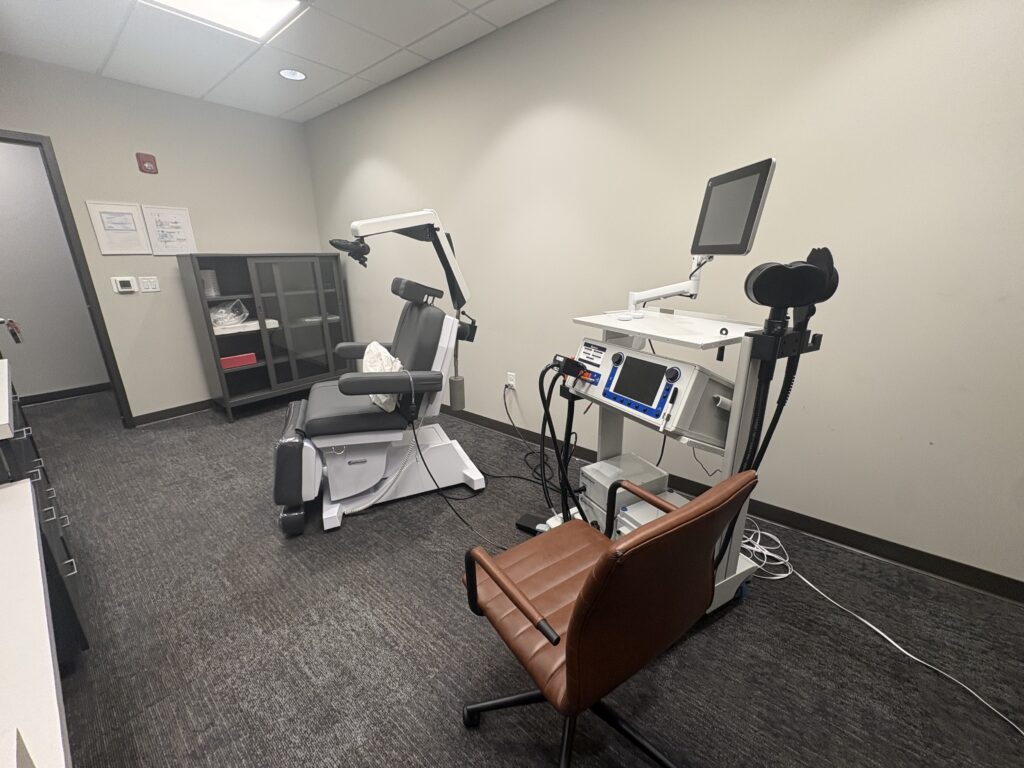
During a tms session, a psychiatrist or trained clinician positions an electromagnetic coil over a specific part of the brain linked to mood regulation. Short bursts of magnetic energy pass through the skull, similar to the strength used in magnetic resonance imaging, and stimulate cortical networks. This repetitive TMS aims to normalize activity patterns that contribute to depressive states and persistent symptoms of major depression.
The Mechanism of Action in TMS
TMS treatment directs a focused magnetic field to depolarize targeted nerve cells, strengthening synaptic connections within frontal-limbic circuits. Over a course of sessions, the brain stimulation is thought to enhance neuroplasticity, improving signaling in networks that underperform in major depression. These effects of TMS can reduce depression symptoms, support attention and motivation, and complement psychotherapy in a comprehensive mental health plan.
Why TMS is a Valuable Treatment Option
As a non-systemic treatment of depression, tms therapy avoids drug interactions and medication side effects that some clients experience with antidepressant regimens. The safety of transcranial magnetic stimulation is well established, with common sensations limited to tapping on the scalp or a brief headache. For severe depression or treatment-resistant cases, TMS offers an evidence-based treatment option distinct from ECT.
Benefits of TMS for Depression Recovery
TMS provides benefits of TMS that extend beyond mood improvement. Clients frequently report clearer thinking, steadier energy, and better daily functioning as depressive symptoms lift. Because sessions require no sedation, individuals can integrate care into routines at our medical center while continuing therapy. This treatment for depression can be life-changing for those who did not respond to prior treatment of major depression.
Enhancing Mood and Cognitive Function
As targeted circuits become more responsive, many people notice brighter mood, reduced rumination, and improved concentration. The stimulation can enhance executive function, working memory, and problem-solving—domains often hindered by a mental health condition like major depressive disorder. When paired with therapy, these gains help clients apply coping skills more effectively and sustain progress between each treatment session.
Improving Daily Functioning and Quality of Life
With fewer depressive symptoms, everyday tasks become more manageable: meeting responsibilities, maintaining routines, and engaging socially. Clients often find it easier to attend appointments, participate in therapy for depression, and rebuild healthy habits. This improved functioning supports long-term recovery, helping individuals return to work or school while experiencing meaningful relief in the treatment of depression.
Long-Term Effects of TMS Treatment
Clinical experience and research on use for depression indicate that benefits can persist well beyond the acute course of tms treatment. Many maintain symptom relief for months, and some opt for maintenance sessions if a psychiatrist recommends. While outcomes vary, evidence shows durable reductions in symptoms of major depression and enhanced resilience when TMS is integrated into ongoing psychiatric and wellness care.
How TMS Therapy is Administered
At Discovery Point Retreat, transcranial magnetic stimulation is delivered as an outpatient treatment option designed to safely stimulate nerve cells in the brain associated with mood. A psychiatrist or trained clinician uses a tms coil to focus magnetic pulses on a part of the brain tied to major depression. Because this tms therapy is non-invasive and does not require anesthesia, clients can undergo TMS at our medical center and resume daily activities immediately after each treatment session.
Overview of the TMS Procedure
During the initial tms session, we perform precise mapping to locate the optimal cortical target, often within the left dorsolateral prefrontal cortex, a region implicated in depressive networks. The clinician positions an electromagnetic coil on the scalp and administers repetitive transcranial magnetic stimulation calibrated to each person’s motor threshold. This individualized approach tailors magnetic field intensity and stimulation parameters to maximize the effects of TMS while maintaining comfort and safety of transcranial magnetic stimulation in the treatment of depression.
What to Expect During Treatment Sessions
Each treatment session begins with comfortable seating and placement of the magnetic coil. Clients typically feel tapping on the scalp as magnetic energy pulses pass painlessly through the skull, similar to levels used in magnetic resonance imaging. No seizure is induced, unlike electroconvulsive therapy. Mild side effects such as a brief headache can occur but usually resolve quickly. Throughout the tms treatment, our psychiatric team monitors sensations, mood, and any depression symptoms to ensure a supportive therapy experience.
Frequency and Duration of TMS Treatments
A standard course to treat depression includes five sessions per week over four to six weeks, followed by a taper when clinically indicated. Each TMS session lasts about 20–40 minutes, depending on the protocol and whether repetitive TMS or accelerated schedules are used. Many people notice improvements in symptoms of depression within two to three weeks. For treatment-resistant depression or severe depression, maintenance therapy may be considered to sustain gains and support long-term mental health stability.
| Aspect | Details |
|---|---|
| Treatment frequency and duration | Five sessions per week for four to six weeks, with taper as clinically indicated |
| Session length | Approximately 20–40 minutes per session |
| Expected time to notice improvement | Within two to three weeks for many people |
| Maintenance consideration | May be considered for treatment-resistant or severe depression |
Integrating TMS into Holistic Mental Health Care
We combine tms therapy with comprehensive therapy and wellness services to strengthen outcomes for major depressive disorder. By pairing brain stimulation with evidence-based psychotherapy, lifestyle support, and ongoing medical oversight, we address both biological and behavioral drivers of a mental health condition. This integrative model enhances the benefits of TMS, helping clients restore routine, improve cognitive clarity, and maintain progress in the treatment of major depression beyond the acute stimulation course.
The Role of Therapy in Enhancing TMS Outcomes
Talk therapy complements the effects of TMS by translating improved attention, motivation, and mood into practical coping strategies. As stimulation increases activity in mood-regulating circuits, clients are better able to engage in cognitive and behavioral work that reduces depressive patterns. Our therapists coordinate with the psychiatrist overseeing tms treatment to align goals, reinforce skill practice between sessions, and track reductions in depression symptoms, creating a cohesive plan to treat depression more effectively.
Importance of Wellness Support in Recovery
Sleep, nutrition, exercise, and stress management amplify the effects of TMS by supporting neuroplasticity and overall mental health. We coach clients on building routines, balancing energy, and reducing triggers that can worsen symptoms of major depression. Structured wellness alongside repetitive transcranial magnetic stimulation often accelerates recovery, helping individuals sustain gains from stimulation, minimize relapse risk, and experience broader improvements in daily functioning as part of comprehensive treatment for depression.
Medical Oversight and Monitoring
Our psychiatric team provides continuous monitoring from the first tms session through completion. We review mood ratings, side effects such as headache or scalp sensitivity, and functional progress weekly. Treatment parameters, including magnetic field intensity and coil placement, can be adjusted as needed. Because the Food and Drug Administration (FDA) has cleared TMS for major depressive disorder, our protocols follow established safety standards, ensuring the safety of transcranial magnetic stimulation while optimizing outcomes in the treatment of depression and use for depression.
Who Can Benefit from TMS Therapy?
TMS therapy can help a wide range of people living with major depressive disorder, especially when antidepressant medications or talk therapy have not fully reduced symptoms. Individuals with treatment-resistant depression, medication sensitivities, or a preference for non-systemic care may be strong candidates. Because transcranial magnetic stimulation uses magnetic pulses to stimulate nerve cells in the brain without anesthesia or seizure, many can undergo TMS while maintaining daily routines and therapy.
Ideal Candidates for TMS Treatment
Ideal candidates include adults with major depression who have tried at least one antidepressant and evidence-based therapy without sufficient relief. Those who experience intolerable side effects from medications or prefer a non-invasive treatment option often benefit from repetitive transcranial magnetic stimulation. People seeking a psychiatric approach that complements psychotherapy may respond well, as the effects of TMS can enhance focus, reduce depressive rumination, and support sustained participation in therapy for depression.
Combining TMS with Other Treatment Options
For many, the best results come from pairing tms treatment with cognitive and behavioral therapy, sleep and nutrition support, and medical oversight. TMS can be integrated with stable medication regimens, allowing the psychiatrist to monitor changes in symptoms of depression and adjust care as needed. This coordinated model leverages brain stimulation to stimulate key networks while therapy builds coping skills, creating a comprehensive treatment for depression tailored to each mental health condition.
Understanding Limitations of TMS Therapy
While TMS is FDA-cleared for major depressive disorder, it is not a universal solution and may not fully treat depression for everyone. Some individuals may need longer courses, maintenance sessions, or additional therapy. Rarely, side effects like headache or scalp discomfort occur. TMS is distinct from electroconvulsive therapy and does not induce a seizure, but it also differs from ECT’s rapid effects in severe depression. Careful psychiatric evaluation ensures appropriate use for depression.
Frequently Asked Questions about TMS
Patients often ask about the safety of transcranial magnetic stimulation, expected timelines, and how it fits with other treatments. At our medical center, a psychiatrist oversees each tms session, calibrating the magnetic field delivered by the tms coil to a precise part of the brain. We emphasize comfort during every treatment session and clear communication about progress, so clients understand the benefits of TMS and how it supports long-term mental health recovery.
Is TMS Therapy Safe and Effective?
Yes. The Food and Drug Administration has cleared repetitive TMS as a safe and effective treatment option for major depressive disorder. Transcranial magnetic stimulation uses an electromagnetic coil to deliver magnetic energy similar to magnetic resonance imaging, without systemic medication effects. Most side effects are mild, such as transient headache or scalp tingling. Clinical research shows meaningful reductions in symptoms of major depression, including in treatment-resistant depression, especially when combined with therapy.
When Can Patients Expect Improvement?
Many clients notice early changes within two to three weeks of tms treatment, such as brighter mood, better concentration, and reduced depressive thinking. Because brain stimulation builds cumulatively, benefits typically increase across the course. We track depression symptoms at regular intervals to guide adjustments in stimulation parameters. While timelines vary, consistent attendance and integration with therapy for depression often accelerate gains and support durable improvements in daily functioning and mental health.
Does TMS Replace Other Forms of Therapy?
No. TMS does not replace psychotherapy or all medications; it complements them. By using magnetic pulses to stimulate underactive networks, tms therapy can enhance engagement in counseling and support clearer thinking during skill practice. Some clients maintain a stable antidepressant while they undergo TMS, guided by a psychiatrist. This blended approach unites biological and behavioral care, improving the overall treatment of depression and supporting recovery in major depression and related depressive conditions.
Sources
- American Psychiatric Association – TMS for Depression
- National Institute of Mental Health (NIMH) – Brain Stimulation Therapies
- Mayo Clinic – Transcranial Magnetic Stimulation Overview
- FDA Approval Summary for TMS in Major Depressive Disorder
- Peer-reviewed research on rTMS effectiveness in treatment-resistant depression