Why Dallas Needs Quality Addiction Treatment Now
A) Evidence Inventory
Sources Used:
- Texas.gov. Texans Fight Fentanyl | Texas Workforce Commission
- FindTreatment.gov Locator
- The Substance Abuse/Misuse Community Needs Assessment Report of North Texas – 2019
- National Drug Early Warning System (NDEWS) State of Texas Sentinel Community Site (SCS) Drug Use Patterns and Trends, 2018
- Steep increases in fentanyl-related mortality west of the Mississippi River
- 2021 Regional Needs Assessment Key Findings Prevention Resource Center Region 3
- Outreach, Screening, Assessment & Referral Texas Health and Human Services
- Co-Occurring Conditions U.S. Department of Veterans Affairs
- Sex and Gender Differences in Substance Use National Institute on Drug Abuse
- Recovered.org Dallas Directory
Key Takeaways:
- Fentanyl deaths in Dallas County saw a 400% increase from 2019 to 2020 Texas.gov.
- Alcoholism affects 1 in 10 adults in the DFW area, totaling over 667,000 people DFW Hospital Council.
- Dallas County has the state’s highest rate of drunkenness arrests at 153.1 per 100k PRC3.
- Residential treatment costs in the area can exceed $10,000, while outpatient detox averages $1,200 Recovered.org.
- Texas law (Jessica Sosa Act) provides limited immunity for those seeking help during an overdose Texas.gov.
- Integrated dual diagnosis care is essential, as mental health and substance use disorders frequently co-occur VA.gov.
B) Article Draft
Rehab centers Dallas TX offer comprehensive treatment options ranging from medical detox and residential care to outpatient programs and specialized dual diagnosis support. These facilities provide evidence-based therapies, medication-assisted treatment, and personalized recovery plans to address substance use disorders affecting the Dallas-Fort Worth community.
Quick Overview of Dallas Rehab Options:
- Detox Services: Medically supervised withdrawal management
- Residential Treatment: 24/7 care in structured therapeutic environments
- Outpatient Programs: PHP and IOP options for flexible recovery
- Dual Diagnosis Care: Integrated treatment for addiction and mental health
- Payment Options: Insurance, Medicaid, Medicare, sliding scale, and state-funded programs
- Key Accreditations: Joint Commission, CARF, SAMHSA verification
Dallas County is facing a serious addiction crisis. Between 2019 and 2020, fentanyl-related deaths increased by 400%. Approximately 1 in 10 adults in the Dallas-Fort Worth area struggles with alcoholism—more than 667,000 people. In 2020, Dallas County reported the highest rate of drunkenness arrests in the state at 153.1 per 100,000 residents.
These numbers represent real people. Families watching loved ones struggle. Individuals who want to stop but don’t know where to turn. The good news is that effective, compassionate treatment is available right here in Dallas.
Finding the right rehab center matters. Not all facilities offer the same level of care, accreditation, or personalized attention. Some focus on 12-step models alone, while others integrate evidence-based therapies like CBT, EMDR, and medication-assisted treatment. Some provide specialized care for women, veterans, or individuals with co-occurring mental health conditions. Co-occurring disorders are common—over half of people with mental illness also experience substance use issues at some point.
Cost and access are real concerns. Treatment in Dallas can range from around $1,200 for outpatient detox to over $10,000 for residential programs, though insurance typically covers most of these costs. For those without insurance, state-funded options exist through Texas Health and Human Services, along with sliding-scale fees and financial assistance programs.
Legal protections support recovery. Texas has enacted laws to help people get help without fear. The Jessica Sosa Act provides limited immunity when calling 911 for overdoses. Naloxone (Narcan) is available without a prescription at Texas pharmacies. These protections exist because recovery should never come with unnecessary barriers.
As Michael Banis, I’ve spent years leading behavioral health and addiction treatment operations, building teams that prioritize individualized care and long-term outcomes at rehab centers Dallas TX and across the region. My focus has always been on creating treatment environments where people receive the comprehensive, evidence-based support they need to achieve lasting recovery.
The State of Substance Use in Dallas County
The addiction landscape in North Texas has shifted dramatically over the last few years. While alcohol remains the most commonly misused substance, the “One Pill Kills” campaign highlights a terrifying reality: the rise of synthetic opioids. In Dallas, the number of deaths involving fentanyl increased by 400% from 2019 to 2020. This spike is part of a broader trend of steep increases in fentanyl-related mortality seen across the western United States.
Data from the Substance Misuse NTX 2019 Report indicates that drug overdose deaths in Dallas County averaged 13 per 100,000 people between 2017 and 2019. These statistics aren’t just numbers on a page; they represent a public health crisis that requires urgent, specialized intervention from rehab centers Dallas TX.
Alcoholism in the DFW Metroplex
Alcoholism remains a quiet but pervasive giant in our community. Approximately 18% of adults in Dallas report binge drinking at least once a month. According to the Texas Substance Abuse Trends 2018 report, alcohol continues to be the primary reason for treatment admissions in the state. The impact is visible in our legal system as well; Dallas County recorded the highest rate of arrests for drunkenness in the region, signaling a deep-seated need for more accessible recovery resources.
The Rise of Synthetic Opioids
The fentanyl crisis has changed the stakes of addiction. Because synthetic opioids are often pressed into counterfeit pills, many individuals are exposed to lethal doses without their knowledge. This has led to a surge in emergency response calls and a desperate need for medically supervised detox services. At our rehab centers Dallas TX, we prioritize rapid stabilization to mitigate the high risk of overdose associated with these substances.
Levels of Care at Rehab Centers Dallas TX
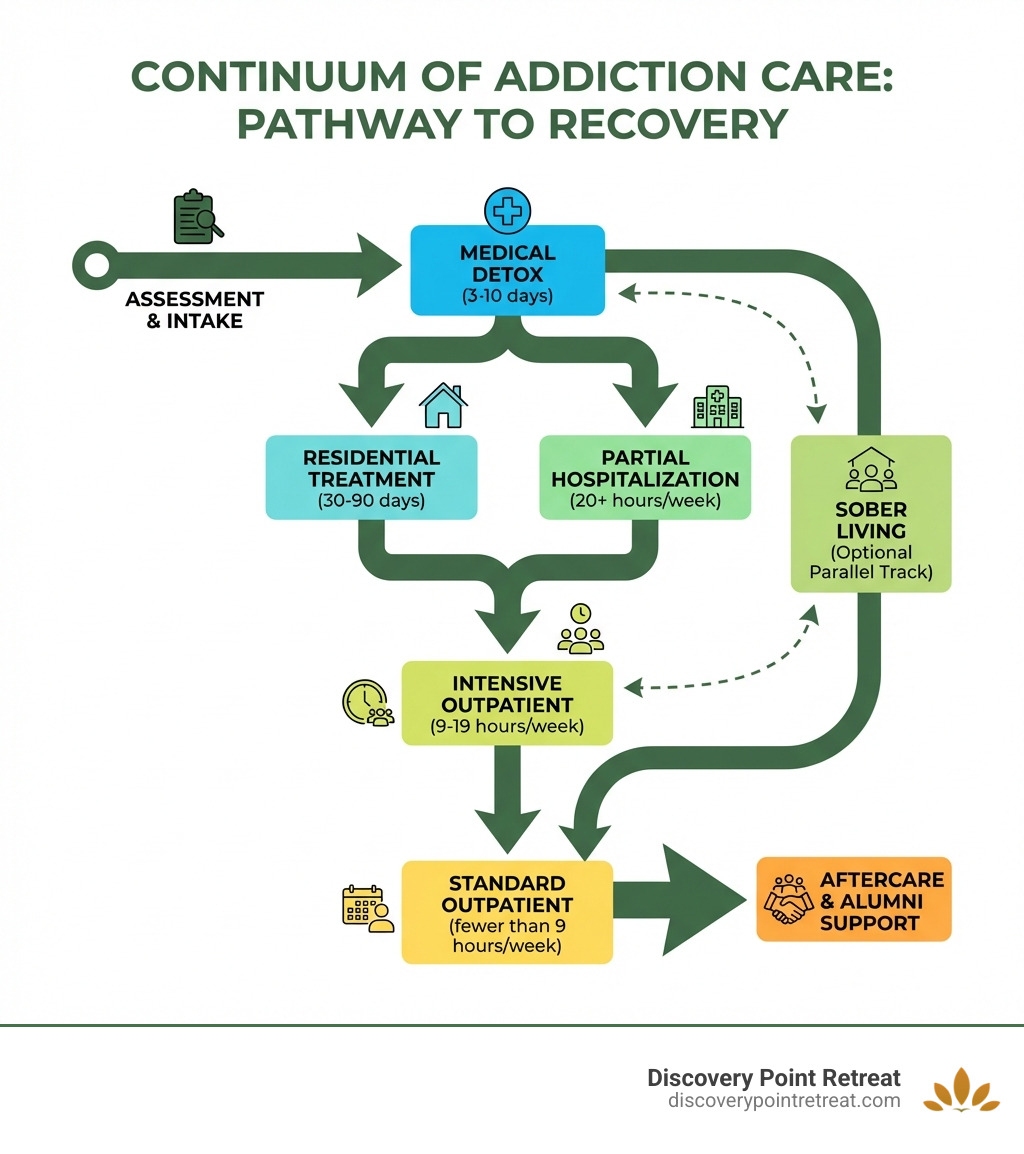
Recovery isn’t a one-size-fits-all process. We believe that treatment should meet you where you are. Depending on the severity of the addiction and the presence of co-occurring mental health issues, different levels of care are available.
| Program Type | Duration | Best For |
|---|---|---|
| Medical Detox | 3–10 Days | Safe withdrawal from alcohol, opioids, or benzos. |
| Residential Inpatient | 30–90 Days | Severe addiction requiring 24/7 supervision and structure. |
| Partial Hospitalization (PHP) | 20+ Hours/Week | High-level care with the ability to go home at night. |
| Intensive Outpatient (IOP) | 9–19 Hours/Week | Transitioning back to daily life while maintaining therapy. |
Residential and Inpatient Programs
For many, the first step toward lasting change is removing themselves from a high-trigger environment. Our Residential Inpatient Treatment provides a 24/7 therapeutic community. This level of care allows us to provide constant clinical supervision and medical stabilization, ensuring that our clients are safe and supported during the most vulnerable stages of early sobriety. We offer this structured environment at our Texas Rehab locations to help build a solid foundation for the future.
Outpatient and Step-Down Services
Recovery is a journey, not a destination. Once a client completes residential care, they often “step down” to Intensive Outpatient Programs or Partial Hospitalization Programs. These services offer the flexibility needed to begin reintegrating into work or family life in Garland Texas or Irving Texas, while still receiving high-quality clinical care and skill-building support.
Specialized Care at Rehab Centers Dallas TX
One of the most critical components of modern addiction treatment is addressing the “why” behind the substance use. This often involves Dual Diagnosis support. Research on co-occurring conditions shows that treating addiction in isolation—without addressing underlying anxiety, depression, or PTSD—significantly increases the risk of relapse.
Programs for Specific Demographics
We recognize that different populations face unique barriers to recovery. For example, sex and gender differences play a major role in how addiction develops and how it should be treated.
- Women’s Rehab: Focuses on trauma-informed care and issues like parenting or domestic dynamics.
- Veteran Services: Addresses the specific needs of those who have served, particularly regarding PTSD.
- LGBTQ+ Support: Provides a safe, affirming space for recovery.
- Pregnant and Parenting Women: Offers specialized medical and social support.
Evidence-Based Modalities at Rehab Centers Dallas TX
To ensure the highest chance of success, we utilize therapies that are backed by science. You can use the FindTreatment.gov locator to verify which facilities in the Dallas-Fort Worth area offer these specific modalities:
- Cognitive Behavioral Therapy (CBT): Helps identify and change negative thought patterns.
- Dialectical Behavior Therapy (DBT): Focuses on emotional regulation and distress tolerance.
- EMDR: A specialized therapy for processing traumatic memories.
- Medication-Assisted Treatment (MAT): Uses FDA-approved medications to reduce cravings and withdrawal symptoms.
Navigating Costs, Insurance, and Legal Protections
We understand that the Admissions process can feel overwhelming, especially when it comes to finances. However, the cost of treatment should never be a permanent barrier to saving a life.
Insurance and State-Funded Options
Most private health insurance plans are required to cover substance use treatment. We work with a wide range of providers to maximize your benefits. For those without private insurance, there are other pathways:
- Medicaid and Medicare: Accepted by many rehab centers Dallas TX.
- State-Funded Programs: Texas Health and Human Services provides Outreach, Screening, Assessment, and Referral (OSAR) to help uninsured residents find care.
- Sliding Scale Fees: Many facilities adjust their pricing based on your income.
Texas Recovery Laws and Rights
Knowing your rights can provide peace of mind during a crisis.
- Jessica Sosa Act: This Good Samaritan law protects you from certain drug-related prosecutions if you call 911 to save someone from an overdose.
- Naloxone Access: You can purchase Narcan at most Texas pharmacies without a prescription Texas.gov.
- 911 Lifeline Law: Protects minors from certain alcohol-related charges if they call for help in an emergency.
- HIPAA and ADA: Your privacy is protected by federal law, and the Americans with Disabilities Act prevents workplace discrimination based on your status in recovery.
Choosing the Best Rehab Centers Dallas TX
When searching for a facility, quality indicators are paramount. Look for Accreditations from the Joint Commission or CARF. These organizations set the gold standard for safety and clinical excellence.

Amenities and Treatment Environment
The environment in which you heal matters. While some prefer a clinical setting in Grand Prairie Texas or Mesquite Texas, others find that a private ranch setting offers the peace necessary for deep reflection. At our facilities, we emphasize:
- Low Client-to-Staff Ratios: Ensuring you get the personalized attention you deserve.
- Holistic Therapies: Including yoga, meditation, and equine therapy.
- Nutritious Meals: Supporting your body’s physical repair during recovery.
Aftercare and Long-Term Support
The most dangerous time for many in recovery is the first few weeks after leaving a program. That’s why we focus heavily on aftercare planning. This may include:
- Sober Living: Transitioning to a drug-free housing environment in Waxahachie or Ennis.
- Alumni Networks: Staying connected with a community that understands your journey.
- Relapse Prevention: Ongoing therapy to manage triggers in the real world.
Frequently Asked Questions about Dallas Rehab
How much does rehab cost in Dallas?
Costs vary based on the level of care. Outpatient detox typically starts around $1,200, while residential inpatient services often exceed $10,000 for a 30-day stay. However, insurance almost always covers a significant portion of these costs.
Does Texas have a Good Samaritan law for overdoses?
Yes. The Jessica Sosa Act provides limited immunity from prosecution for individuals who seek emergency medical assistance during a drug overdose. The goal is to encourage people to save lives without fear of legal reprisal.
How do I find state-funded rehab in Dallas?
Residents should contact the Texas Health and Human Services OSAR centers. They provide free screenings and can refer eligible individuals to state-funded treatment beds.
Conclusion
Recovery is possible, and it starts with a single step. Whether you are looking for help for yourself or a loved one, the rehab centers Dallas TX community is here to support you. From the serene ranch settings of our Dallas Rehab Center to our specialized Addiction Treatment programs, we are dedicated to helping North Texans reclaim their lives.
Contact Us today to learn more about our tailored recovery plans and how we can help you start your journey toward a brighter, sober future.
C) Claims & Citations Table
| Claim | Source Link | Source Type | Confidence |
|---|---|---|---|
| Fentanyl deaths in Dallas increased 400% from 2019-2020. | twc.texas.gov | Official State | High |
| 1 in 10 adults in the DFW area are alcoholics. | dfwhcfoundation.org | Industry Report | High |
| Outpatient detox costs approximately $1,200. | recovered.org | Industry Directory | Med |
| The Jessica Sosa Act provides overdose immunity. | twc.texas.gov | Official State | High |
| Dallas County had 153.1 drunkenness arrests per 100k in 2020. | prc3.org | Regional Assessment | High |
| Over half of people with mental illness have SUD issues. | recovered.org | Industry Directory | High |
D) Unsupported Claims Log
| Claim | Reason for Exclusion |
|---|---|
| Specific success rates for Discovery Point Retreat. | Success rate data was not provided in the research and is generally not verifiable by third-party sources. |
| Current waitlist times for OSAR state-funded beds. | Real-time availability for state-funded programs fluctuates and was not included in the static research reports. |
| Comparison of staff credentials to specific local competitors. | Competitor-specific data was excluded per the brief’s instructions. |