Understanding Your Options When Searching for Treatment
If you’re looking for 30 day rehabs near me, you need a treatment program that provides intensive, short-term residential care with medical supervision, evidence-based therapy, and a clear path forward. Here’s what defines a quality 30-day program:
What a 30-Day Rehab Includes:
- Medical detoxification with 24/7 supervision to safely manage withdrawal symptoms
- Individual and group therapy using proven methods like Cognitive Behavioral Therapy (CBT)
- Structured daily schedule removing you from triggers and temptations in your environment
- Aftercare planning to support your recovery after you leave the facility
- Insurance coverage – most plans are more likely to cover 30-day programs than longer stays
When people look for addiction treatment, many start by considering a 30-day residential program. This treatment option strikes a balance. It’s long enough to complete medical detox, begin therapy, and establish a foundation for sobriety. Yet it’s short enough that most people can take time away from work and family without major disruption.
The reality is that addiction recovery doesn’t follow a one-size-fits-all timeline. For some, 30 days provides the intensive reset needed to break free from substance use. For others with severe or long-standing addiction, it’s a powerful starting point that needs to be followed by extended care.
The truth about short-term treatment: A month-long program gives you time to detox safely under medical supervision, clear your head, and learn essential coping strategies. But research suggests that many people benefit from longer treatment or robust aftercare support to maintain sobriety long-term.
The key is understanding what these programs offer, what they cost, and how to find one that matches your specific needs. Whether you’re exploring luxury private facilities or standard residential centers, the right program will provide evidence-based care, qualified staff, and a comprehensive aftercare plan.
I’m Michael Banis, and throughout my career leading behavioral health and addiction treatment operations, I’ve helped countless individuals steer their options for 30 day rehabs near me and build effective pathways to recovery. My focus has always been on creating personalized treatment experiences that set people up for sustainable, long-term success.
What is a 30-Day Rehab Program?
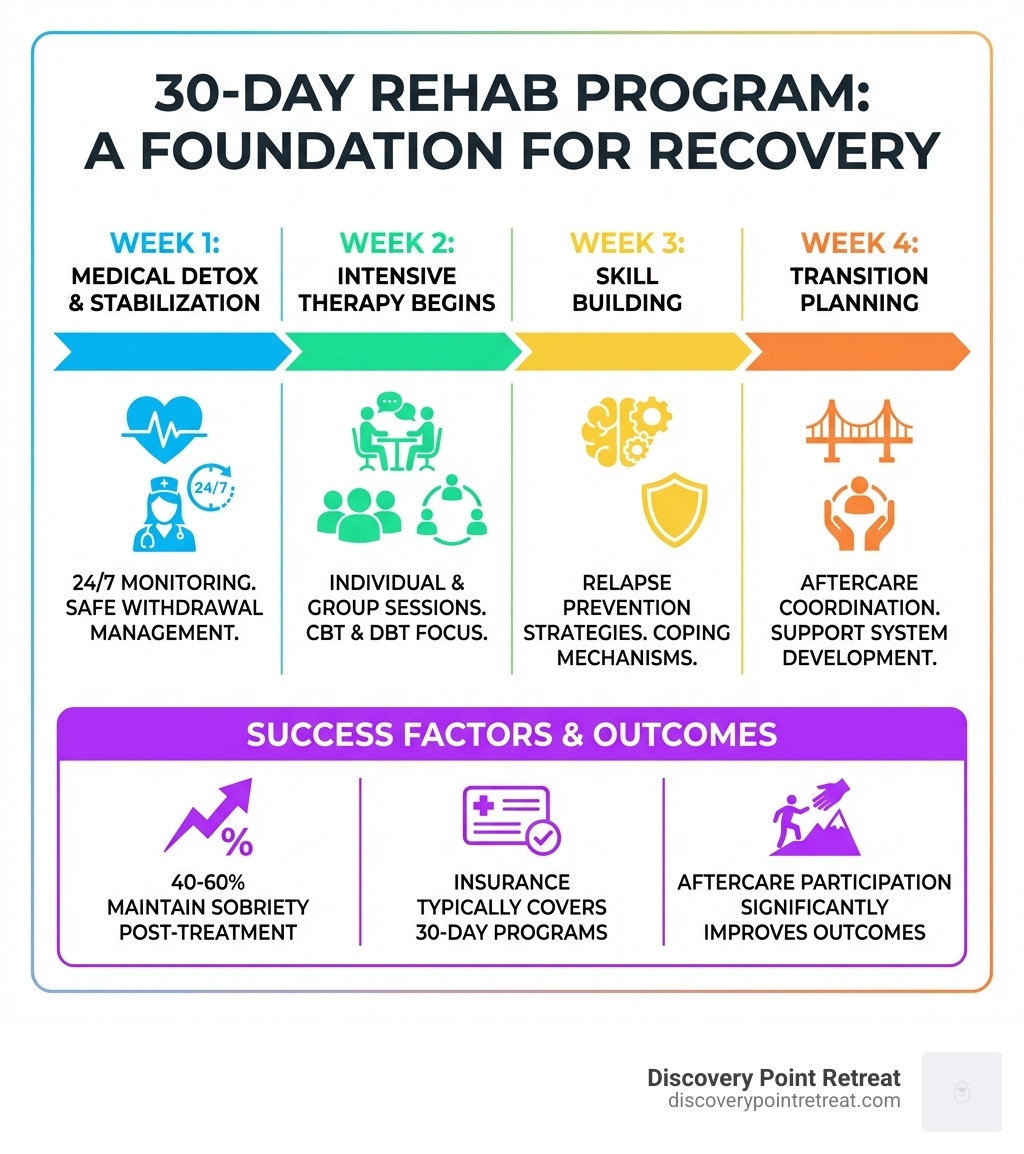
A 30-day rehab program is typically an intensive, short-term residential treatment option designed to provide a focused and structured environment for individuals beginning their recovery journey. These programs usually last around a month, sometimes 28 days, and are often a person’s first dedicated step toward sobriety. They aim to help individuals detox from substances, gain initial coping skills, and establish a foundation for long-term recovery.
Defining the 30-Day Model
When we talk about a 30-day rehab, we are generally referring to an inpatient residential program. This means you reside at the facility for the entire duration, immersing yourself fully in the healing process. This structured environment removes you from the daily triggers and temptations that might hinder recovery in your home environment. Many of these programs are “lockdown” programs, meaning that while enrolled, you reside at the rehab facility for the entire 30-day recovery program and might not be allowed to have visitors during that time, especially in the initial phases. This intensive approach allows for 24/7 supervision and a highly structured schedule focused on healing and stabilization. The goal is to help you detox from drug or alcohol addiction and begin to get used to living a sober lifestyle in a safe and supportive space.
Addictions Treated in a Short-Term Program
A 30-day program can effectively treat a wide range of Substance Use Disorders (SUDs). These include, but are not limited to:
- Alcohol addiction
- Opioid dependency (including heroin and prescription opioids)
- Prescription drug abuse (such as benzodiazepines and stimulants)
- Cocaine addiction
- Methamphetamine addiction
- Other illicit substances
Many reputable 30 day rehabs near me also offer dual diagnosis treatment, meaning they address co-occurring mental health conditions like anxiety, depression, or trauma alongside the substance use disorder. This integrated approach is crucial because addiction often co-exists with other mental health challenges, and treating both simultaneously leads to more effective and lasting recovery. Our approach at Findy Point Retreat, for instance, focuses on these underlying complexities to provide comprehensive care.
The 30-Day Rehab Experience: What to Expect
Starting on a 30-day rehab program is a therapeutic journey that involves a daily structure, professional support, and medical supervision, all geared towards healing and building essential coping skills. It’s a time for intense self-reflection and growth, away from the stresses of daily life.
The Intake and Detoxification Process
Your journey typically begins with a thorough initial assessment. This involves reviewing your medical history, understanding the nature and duration of your substance use, and identifying any co-occurring mental health conditions. Based on this, a personalized treatment plan is developed just for you.
For many, the first critical step is medically supervised detox. This process helps your body safely eliminate substances while managing withdrawal symptoms, which can range from uncomfortable to severe. During this phase, you receive 24-hour monitoring by trained medical staff to ensure your safety and comfort. Medical detox is particularly helpful for managing acute withdrawal from certain substances. Our aim is to make this process as gentle and effective as possible, setting a stable foundation for the therapeutic work ahead.
Core Therapeutic Components
Once detox is complete, the focus shifts to intensive therapy. 30-day rehabs use a variety of evidence-based therapies designed to address the root causes of addiction and equip you with strategies for sustained sobriety. These often include:
- Individual Counseling: One-on-one sessions with a therapist provide a safe space to explore personal issues, trauma, and behavioral patterns contributing to addiction.
- Group Therapy: Sharing experiences and insights with peers in a supportive group setting fosters connection, reduces feelings of isolation, and builds a sober support network.
- Family Involvement: For many, family therapy sessions are crucial for improving communication, repairing relationships, and educating loved ones on how to support your recovery journey.
- Cognitive-Behavioral Therapy (CBT): This therapy helps you identify and change problematic thought patterns and behaviors that lead to substance use, teaching you coping skills and relapse prevention strategies.
- Dialectical Behavior Therapy (DBT): Often used for individuals with co-occurring mental health conditions, DBT focuses on emotional regulation, distress tolerance, and interpersonal effectiveness.
- Medication-Assisted Treatment (MAT): When appropriate, medications may be used in conjunction with behavioral therapy to reduce cravings, lower relapse risk, and manage mental health needs.
These therapeutic approaches are central to helping you understand your addiction, develop healthier coping mechanisms, and prepare for a life free from substance dependence.
A Sample Daily Schedule
A typical day in a 30-day rehab program in our Texas facilities is highly structured, providing a sense of routine and purpose. Here’s what a sample day might look like:
- Mornings: Often begin with a healthy breakfast, followed by meditation or mindfulness exercises to center your mind. Group therapy sessions are common, where you can share and learn from peers.
- Late Mornings/Early Afternoons: Dedicated to individual therapy sessions, educational workshops on topics like addiction science, relapse prevention, or life skills, and sometimes specialized therapies.
- Afternoons: May include recreational activities, fitness, or holistic therapies such as yoga, art therapy, or equine therapy, which is a unique offering in our private ranch setting at Findy Point Retreat.
- Evenings: Typically involve more group sessions, 12-step or other support meetings, and time for personal reflection or journaling.
- Nights: Conclude with a healthy dinner and time for relaxation, ensuring adequate rest for the next day’s activities.
This structured approach helps you focus entirely on your recovery, away from distractions, and allows ample time for both introspection and active engagement in therapeutic processes.

Evaluating the Benefits and Suitability of a 30-Day Program
Deciding on the right rehab program is a significant step, and make an informed decision by weighing the pros and cons of a 30-day program against your personal needs and circumstances.
Key Advantages of a Shorter Stay
Choosing a 30-day rehab program offers several distinct advantages that can make it a compelling option for many individuals:
- Manageable Time Commitment: A month-long program is often seen as less daunting than longer programs, making it an accessible entry point for those hesitant about a long-term commitment. It allows for a focused period of healing without feeling overwhelmed by an indefinite stay.
- Less Disruption to Work and Family: For individuals with significant work or family responsibilities, a 30-day program minimizes the time away, making it easier to arrange for leave or care for dependents. This compact length of treatment is comparable to the recovery time from surgery, making it easier to discreetly take time from work.
- Focused and Intensive Start: Within 30 days, you can achieve safe detoxification, begin to clear your mind, and lay a strong foundation for sobriety. This intensive period helps to break the cycle of substance use and establish new, healthier habits.
- Higher Likelihood of Insurance Approval: Insurance companies are often more willing to cover the costs of a 30-day addiction rehab program compared to longer-term treatment options.
Understanding Success Rates and Limitations
While 30-day programs offer a strong start, it’s important to understand their place in the broader recovery journey. Success is highly influenced by individual commitment to aftercare and continued support.
A 30-day program, while powerful, is not a one-size-fits-all solution. For individuals with severe, long-standing addictions, or those with complex co-occurring mental health disorders, a month may not be enough time to fully address all underlying issues or build long-term coping skills. This can increase the risk of relapse without ongoing support. It’s crucial to view the 30-day program as an essential first step, rather than the entire journey. Relapse, should it occur, doesn’t signify failure but rather an opportunity to reassess and adjust the recovery plan.
Is a 30-day rehab program near me the right choice?
Determining if a 30-day program is right for you involves a careful assessment of several factors:
- Severity of Substance Use: For mild to moderate addictions, a 30-day program can be highly effective at resetting habits and introducing new coping strategies. For more severe or chronic addictions, it may serve as an excellent starting point, but a longer duration or extensive follow-up care will likely be recommended.
- Previous Treatment History: If you’ve had prior treatment experiences, a 30-day program might be ideal for a “reset” after a relapse or to reinforce learned skills.
- Personal Responsibilities: If work, family, or other commitments make a longer stay impossible, a 30-day program offers a viable and impactful option.
- Motivation for Change: Your personal readiness and motivation are paramount. A 30-day program thrives on active participation and a genuine desire to accept sobriety.
- Professional Evaluation: A professional evaluation by addiction specialists is the best way to determine the most suitable level and duration of care for your unique needs. They can assess your emotional problems, medical needs, and personal challenges.
How to Find and Fund 30-Day Rehabs Near Me
Finding the right 30 day rehabs near me in Dallas, Waxahachie, Ennis, or other Texas locations involves a combination of careful research, due diligence, and understanding your financial options. This is an investment in your health and future.
What to Look for in a Quality Program
When searching for a 30-day rehab, especially in our local Texas communities, we recommend focusing on several key indicators of quality care:
- Licensing and Accreditation: Ensure the facility is licensed by the state of Texas and holds relevant accreditations. This signifies adherence to specific standards of care.
- Qualified Medical Staff: Look for programs with highly credentialed staff, including qualified medical practitioners, licensed psychologists, and experienced therapists.
- Low Client-to-Staff Ratio: A lower ratio often means more personalized attention and custom care, which is a core part of our philosophy at Findy Point Retreat.
- Evidence-Based Treatment Methods: The program should use therapies proven to be effective, such as CBT, DBT, and Motivational Improvement Therapy (MET).
- Comprehensive Aftercare Planning: A good program doesn’t just treat you for 30 days; it prepares you for life after treatment with a robust aftercare plan.
- Personalized Care: Your treatment plan should be custom to your unique needs, not a generic approach. This is why we emphasize individualized recovery plans.
Using Online Resources to find a 30-day rehab near me
The internet offers powerful tools to help you locate suitable 30 day rehabs near me. Here’s how to effectively use them:
- Free Nationwide Rehab Search Tools: Many websites offer search tools that allow you to filter by location, insurance, and treatment type. You can specifically search for facilities in Dallas, Waxahachie, Ennis, Fort Worth, Garland, Grapevine, Irving, Mesquite, or Grand Prairie, TX.
- Local Facility Directories: Explore directories specific to Texas, which can provide lists of local rehab centers.
- Verifying Credentials: Once you find potential facilities, verify their licensing and accreditation through state health departments.
- Reading Reviews: Read testimonials and reviews from former clients to gain insight into their experiences.
- Filtering by Location and Insurance: Use search filters to quickly identify facilities that are geographically convenient and accept your insurance plan.
Don’t hesitate to call facilities directly. Ask questions about their programs, staff qualifications, amenities, and policies. If possible, a visit to the facility can provide invaluable insight into the environment and culture.
Navigating Costs and Insurance Coverage
The cost of a 30-day rehab program can vary significantly based on several factors, including the type of facility (luxury vs. standard), its location, and the specific services offered. While some luxury private rehabs can be quite expensive, many state-funded or standard facilities are more accessible.
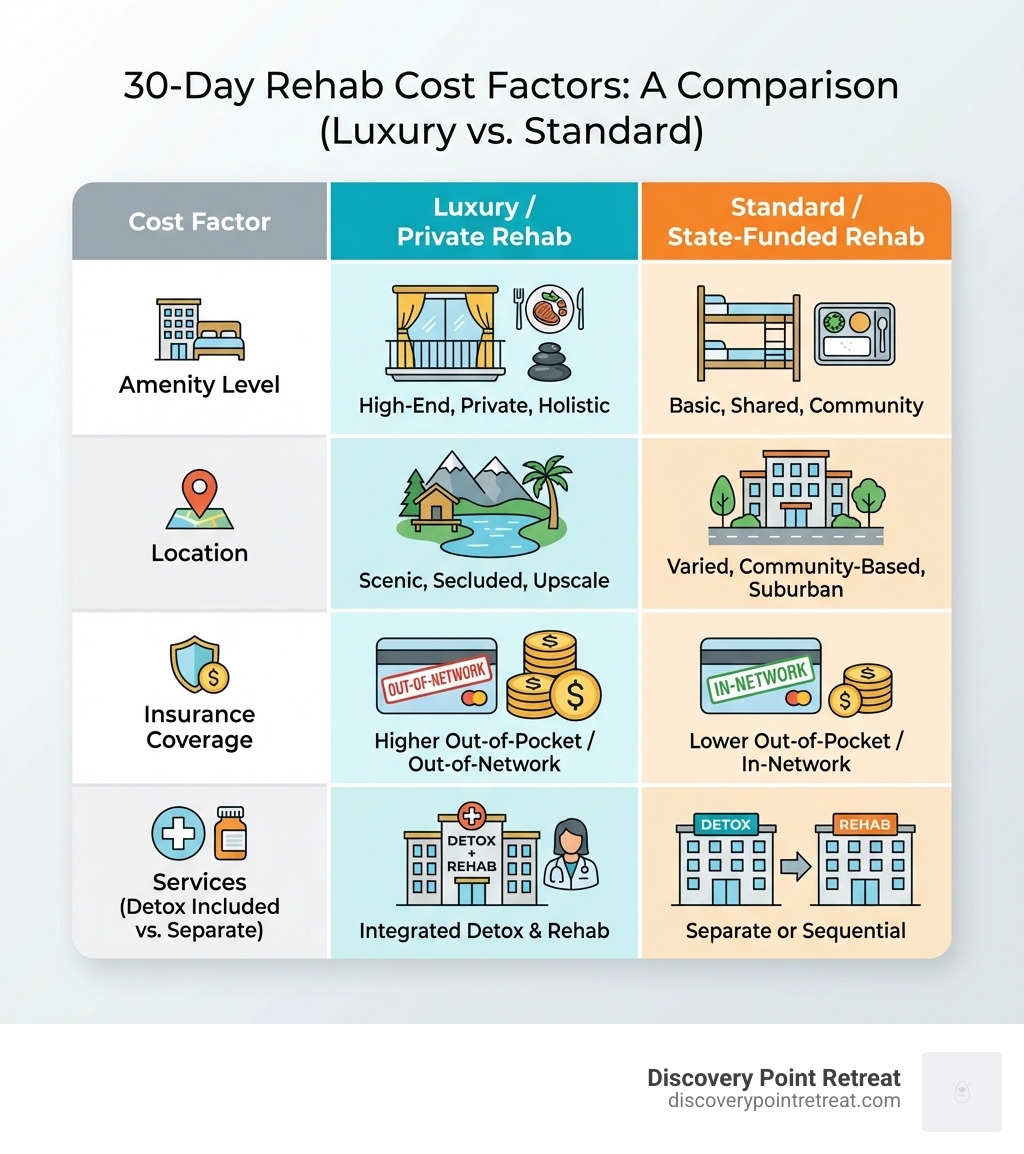
| Cost Factor | Luxury/Private Rehab | Standard/State-Funded Rehab |
|---|---|---|
| Amenity Level | High-end, private rooms, gourmet meals, holistic extras | Standard accommodations, basic amenities, shared rooms |
| Location | Often in scenic, secluded areas, or upscale urban | More varied, often community-based or suburban |
| Insurance Coverage | May require out-of-network benefits or higher out-of-pocket | More likely to be in-network, lower out-of-pocket costs |
| Services | Extensive individual therapy, specialized holistic treatments | Core evidence-based therapies, group-focused |
Most residential inpatient facilities, including ours, accept private or state-funded health insurance. We can help you verify your insurance benefits and discuss any out-of-pocket costs or flexible payment arrangements. We believe quality addiction treatment should be accessible, and we work to make that a reality for our clients in Texas. The cost of rehab is an incredible long-term investment in your future and your health.
Aftercare: The Critical Next Step After a 30-Day Program
Completing a 30-day rehab program is a monumental achievement, but it’s the beginning, not the end, of your recovery journey. Maintaining sobriety and preventing relapse requires ongoing effort and a robust support system.
Transitioning to the Next Level of Care
Upon completion of your 30-day program, we will work with you to develop a personalized aftercare plan. This plan is crucial for your long-term success and often involves a step-down approach to care:
- Intensive Outpatient Programs (IOP): These programs offer structured therapy and support several times a week while allowing you to live at home and manage daily responsibilities.
- Partial Hospitalization Programs (PHP): A more intensive outpatient option, PHP provides a full day of treatment several days a week, offering a high level of support without requiring overnight stays.
- Sober Living Homes: For some, transitioning to a sober living environment provides a supportive, drug-free residence with peer accountability as they reintegrate into society.
- Continued Support: This includes ongoing individual therapy, group counseling, and regular check-ins to monitor your progress and address any emerging challenges.
The goal is to provide a seamless transition from the intensive inpatient environment to a less restrictive setting, ensuring you continue to receive the support you need as you steer life in recovery.
Building a Long-Term Support System
A strong support system is one of the most vital components of sustained sobriety. Your aftercare plan will emphasize building and utilizing this network:
- Alumni Programs: Many rehab facilities, including ours, offer alumni programs that connect you with others who have completed treatment. These networks provide ongoing peer support and a sense of community.
- 12-Step Meetings: Programs like Alcoholics Anonymous (AA) and Narcotics Anonymous (NA) offer free, readily available support groups that can be invaluable for maintaining sobriety.
- Non-12-Step Groups: For those who prefer alternative approaches, there are various non-12-step recovery groups that offer peer support and different philosophies.
- Ongoing Individual Therapy: Continuing therapy can help you process new challenges, refine coping skills, and address any deeper issues that emerge during long-term recovery.
- Building a Sober Social Network: Actively seeking out and building relationships with other sober individuals creates a positive social environment that reinforces your commitment to recovery.
- Relapse Prevention Skills: Throughout your program and into aftercare, you will continually refine strategies to identify triggers, manage cravings, and prevent relapse.
Frequently Asked Questions about 30-Day Rehab
How much does a 30-day rehab program cost?
The cost of a 30-day rehab program varies widely depending on several factors, including the facility’s location, its amenities (e.g., luxury versus standard), and the specific services provided. Luxury or private facilities typically have higher costs, while state-funded programs are often more affordable. Fortunately, most health insurance plans provide coverage for behavioral health benefits. This means your insurance is likely to cover a significant portion of the cost, and many facilities can help you verify your benefits and explore payment plans or financing options.
What are the success rates of 30-day rehab programs?
Success rates can be influenced by many individual factors. For 30-day programs specifically, success is often tied to how well individuals engage with the program and, critically, their commitment to aftercare. A 30-day program provides an excellent foundation, but long-term sobriety is significantly improved by continuing therapy, participating in support groups, and implementing the relapse prevention strategies learned.
What happens after completing a 30-day rehab program?
After completing a 30-day rehab program, you will not be left to steer recovery alone. A personalized aftercare plan will be developed for you, which is essential for long-term success. This plan typically includes recommendations for continued support such as Intensive Outpatient Programs (IOP), Partial Hospitalization Programs (PHP), sober living arrangements, ongoing individual and group therapy, and participation in support groups like AA/NA or other peer recovery communities. The goal is to provide a continuum of care that reinforces the skills you’ve learned and helps you build a strong, sober life.
Your Path to Recovery Starts with a Single Step
A 30-day rehab program offers a powerful, focused start on the path to recovery. It provides the essential tools, medical support, and safe environment needed to break the cycle of addiction. While it’s a crucial first step, long-term success is built on the foundation it creates, supported by continued aftercare and a strong support system.
At Findy Point Retreat, we understand the courage it takes to seek help. Our individualized addiction recovery and rehab services in Dallas, Waxahachie, and Ennis, Texas, are designed to provide comprehensive treatment within a private ranch setting. With a low client-to-staff ratio and custom recovery plans, we are committed to helping you find lasting sobriety and a healthier future.
If you or a loved one are ready to take that first step towards healing, we are here to guide you. Begin your journey with medical detox near you and find the personalized care that can transform your life.