Sober Living in Dallas, TX | Recovery Housing & Support
The transition from residential addiction treatment back to everyday life is a critical phase in the recovery journey. For many individuals, returning to their previous living environment can introduce triggers and stressors that jeopardize their newly established sobriety. Discovery Point Retreat provides structured sober living in Dallas, TX, offering a safe, supportive, and substance-free environment where individuals can solidify their recovery foundation. Our sober living homes in Dallas serve as a vital bridge between intensive inpatient rehab and full independent living, giving residents the time and resources needed to develop essential life skills and build a strong peer support network.
Our sober living program is designed to integrate seamlessly with our outpatient treatment options, including our Partial Hospitalization Program (PHP) and Intensive Outpatient Program (IOP). By combining clinical care with a stable sober living environment, we empower individuals to navigate the early stages of addiction recovery with confidence. Whether you are stepping down from a residential treatment center or seeking a supportive community while attending outpatient rehab, our Dallas sober living facilities provide the structure and accountability necessary for long-term success.



What Is a Sober Living Home?
A sober living home is a specialized residential facility designed to support individuals recovering from substance use disorders. Unlike inpatient rehab, which provides 24-hour medical and clinical supervision, a sober living house offers a transitional living arrangement where residents have greater autonomy but are still required to adhere to house rules and maintain strict sobriety. These homes are an essential component of the recovery model, providing a substance-free living environment that fosters peer support and personal accountability. According to the National Institute on Drug Abuse (NIDA), recovery housing is a key element of recovery-oriented systems of care, helping individuals improve their health and wellness while striving to reach their full potential.
Residents in a sober living program are typically expected to participate in household chores, attend 12-step meetings or other mutual aid groups, and either work, go to school, or attend an outpatient treatment program. This structured approach helps individuals rebuild their lives at a manageable pace. Research published in the Journal of Psychoactive Drugs indicates that participation in 12-step groups and the development of a supportive social network within sober living houses are strong predictors of positive outcomes, including sustained sobriety, improved employment rates, and reduced psychiatric symptoms.

Partial Hospitalization Program
Our Partial Hospitalization Program offers structured daytime treatment with therapy, support, and clinical care while allowing clients to return home or to sober living in the evenings.

Intensive Outpatient Program
Our Intensive Outpatient Program provides flexible, focused treatment several days a week so clients can strengthen recovery while balancing work, school, or family responsibilities.
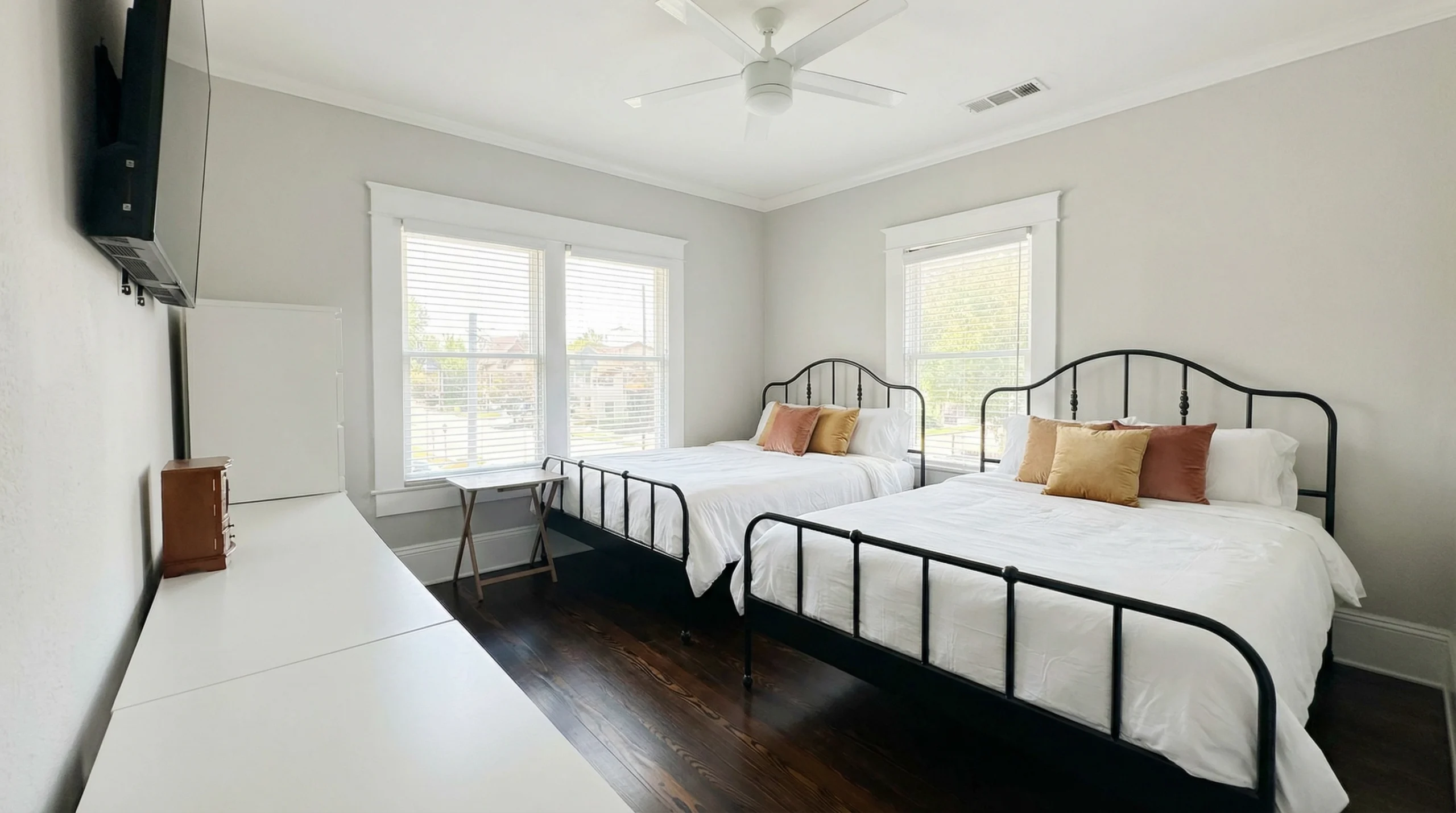
Sober Living
Our sober living option gives clients a safe, supportive home environment where they can build routine, accountability, and confidence in early recovery.
Are Sober Living Homes the Same as Texas Halfway Houses?
While the terms are often used interchangeably, there are distinct differences between a sober living home and a halfway house. Understanding these differences is important when selecting the right recovery housing option for yourself or a loved one in Texas. The table below outlines the primary distinctions between these two types of transitional living environments.
| Feature | Sober Living Homes | Halfway Houses |
| Primary Focus | Long-term addiction recovery and peer support | Reintegration for individuals leaving the criminal justice system or state-funded rehab |
| Funding & Oversight | Privately owned and funded by residents | Often state-funded or court-mandated |
| Length of Stay | Flexible; residents can stay as long as they comply with house rules | Typically time-limited (e.g., 3 to 6 months) |
| Environment | Comfortable, home-like setting with a strong focus on community and 12-step principles | More institutional, with strict curfews and monitoring |
| Clinical Integration | Often partnered with outpatient rehab (PHP/IOP) for ongoing clinical care | May offer limited on-site services or require external check-ins |
Do I need to complete rehab before moving into a sober living home in Dallas, TX?
While many residents transition into a sober living environment directly after completing a residential rehab program, it is not always a strict requirement. However, individuals must have already completed medical detox and achieved initial physical stabilization before entering a sober living house. The primary requirement for admission to any Dallas sober living home is a demonstrated commitment to maintaining absolute sobriety and a willingness to participate actively in the recovery community.
At Discovery Point Retreat, our sober living program is highly integrated with our outpatient treatment services. Many individuals choose to live in our sober living facilities while actively participating in our Partial Hospitalization Program (PHP) or Intensive Outpatient Program (IOP). This combination allows residents to receive comprehensive clinical care for drug and alcohol addiction during the day while returning to a safe, supportive living environment in the evening. This dual approach maximizes the chances of long-term addiction recovery by addressing both the clinical and environmental aspects of substance use disorders.
Can I work or go to school while living in a sober home in Dallas, TX?
Yes. One of the primary goals of a sober living program is to help individuals successfully transition back into independent living. Working, attending school, or participating in vocational training is strongly encouraged and often required as part of the life skills development process. Sober living in Dallas provides the ideal balance of structure and freedom, allowing residents to pursue their personal and professional goals while remaining anchored in a supportive recovery community.
For residents who are enrolled in an intensive outpatient program (IOP), scheduling is typically flexible enough to accommodate work or educational commitments. The peer support and accountability found in a sober living house provide a crucial safety net as individuals navigate the inevitable stressors of returning to the workforce or academic environment. By practicing healthy coping mechanisms and relying on their sober network, residents learn to manage daily challenges without resorting to substance use.
How long do most people stay in sober living?
The duration of a stay in a sober living home varies significantly depending on the individual’s unique needs, progress in recovery, and readiness for independent living. There is no predetermined timeline; residents are generally welcome to remain in the sober living environment as long as they continue to abide by the house rules, maintain their sobriety, and meet their financial obligations. Some individuals may stay for a few months as they complete an outpatient rehab program, while others may choose to reside in a sober living house for a year or more to fully solidify their foundation in recovery.
Research indicates that longer stays in recovery housing are associated with better long-term outcomes. The extended period of stability allows individuals to deeply internalize 12-step principles, establish a robust support network, and develop the life skills necessary for sustained sobriety. The decision to transition out of sober living in Texas should be made collaboratively with the individual’s treatment team, sponsor, and support network, ensuring they are fully prepared for the responsibilities of independent living.
Sober Living at Discovery Point Retreat
Discovery Point Retreat is committed to providing comprehensive addiction treatment and recovery support services for individuals in Dallas, TX and the surrounding areas. Our sober living homes in Dallas offer a premium, supportive environment where residents can focus entirely on their recovery journey. By combining the accountability of a structured living program with the clinical excellence of our outpatient treatment center, we deliver a full continuum of care designed to promote lasting sobriety.
If you or a loved one are seeking a safe, substance-free living environment to support your transition from rehab to independent living, our Dallas sober living homes provide the ideal setting. We focus on holistic healing, peer support, and practical life skills development to empower our residents to build fulfilling, self-directed lives free from addiction.
Frequently Asked Questions
How much does sober living typically cost?
The cost of sober living varies depending on the location, amenities, and the level of support provided. In general, residents pay a monthly fee that covers rent, utilities, and access to communal resources. Because sober living homes are not medical facilities, these costs are typically paid out-of-pocket, though some individuals may use personal savings or family support to cover the expenses.
How much does sober living cost in Texas?
In Texas, the cost of a sober living house can range from a few hundred to over a thousand dollars per month, depending on the specific facility and its location. Premium sober living homes in Dallas that offer integrated access to outpatient treatment and enhanced amenities will generally fall on the higher end of that spectrum, reflecting the comprehensive support and structured environment they provide.
What are the rules in sober living?
Rules in a sober living home are designed to ensure a safe and supportive environment for all residents. Common rules include maintaining absolute sobriety, submitting to random drug and alcohol testing, adhering to curfews, participating in household chores, attending regular house meetings, and actively engaging in a recovery program such as a 12-step group or outpatient rehab.
Why is sober living so expensive?
While the cost can seem significant, sober living facilities provide much more than just a place to sleep. The fees cover the maintenance of a safe, substance-free environment, the oversight provided by house managers, utilities, and the structured programming that is essential for early recovery. When compared to the potential costs of relapse or ongoing addiction, investing in a supportive sober living environment is a crucial step toward long-term health and stability.
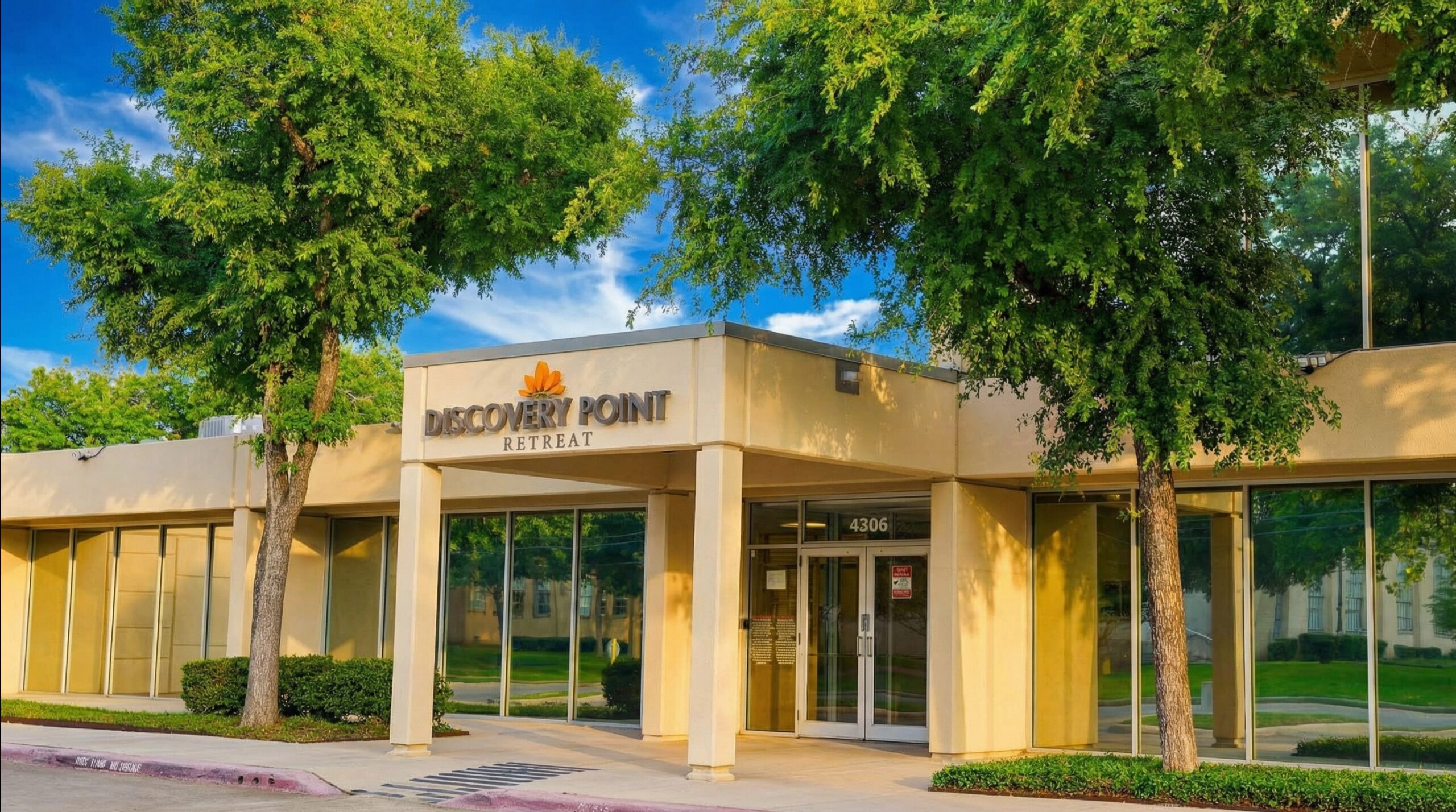
Dallas, Texas
Our Dallas location provides Partial Hospitalization (PHP) and Intensive Outpatient (IOP) addiction treatment, giving clients access to structured therapy and clinical care without requiring a residential stay. Through individual counseling, group therapy, relapse prevention education, and recovery skill development, clients receive the support they need while gradually transitioning back into daily life.